Still Looking for a Day Camp in West Orlando? Here’s What You Need to Know Before Spots Fill Up
June 1, 2026
Still Looking for a Day Camp in West Orlando? Here’s What You Need to Know Before Spots Fill Up
If you’re still searching for the right place for your child this summer, you’re not alone.
Many parents in West Orlando find themselves asking the same questions late into the season:
“Did I wait too long?”
“Is there still a safe and reliable option available?”
“Will my child actually benefit from the program—or just be watched?”
Finding the right day camp in West Orlando can feel stressful, especially when you want something that checks every box: safety, structure, affordability, and real value for your child.
The good news is—it’s not too late. At Little Jewels Learning Center, families in West Orlando still have access to a program that offers more than just supervision. It’s a structured, supportive environment where children stay engaged, build confidence, and continue learning all summer long.
Here’s what you need to know before choosing the right summer option for your child.
Why Waiting Too Long Can Make Summer More Stressful
It’s easy to put off summer planning when life gets busy.
But when the school year ends, the reality sets in quickly—children need structure, and parents need reliable care.
Without a plan, summer can turn into:
- Unstructured days with too much screen time
- Disrupted routines that are hard to rebuild
- Last-minute scrambling for childcare
Even more importantly, children can lose valuable learning habits.
A strong day camp in West Orlando helps prevent that. Instead of falling out of routine, your child continues to build important skills like listening, following directions, and interacting with others. For you, that means less stress—and more confidence that your child is in the right place.
What to Look for in a Day Camp (Especially Late in the Season)
When options are limited, it’s tempting to choose the first available program.
But not all camps offer the same level of care or value.
If you’re searching for a summer camp near West Orlando, here are the key things to look for:
A Structured Daily Routine
Children need consistency to feel secure and confident.
Meaningful Activities
Look for programs that include learning, creativity, and social interaction—not just free play.
Flexible Hours
Your schedule matters. The right program should work for your family, not against it.
A Safe and Supportive Environment
You should feel completely comfortable leaving your child in their care.
At Little Jewels Learning Center, these aren’t extras—they’re part of the foundation.
How a Quality Program Supports Learning and Growth
A great summer program does more than fill time—it helps your child grow.
At Little Jewels Learning Center, children benefit from:
Continued Learning
Through hands-on activities, children build language, early math, and problem-solving skills.
Structured Days
A consistent routine helps children stay focused and engaged.
Social Development
Children interact, communicate, and build friendships in a supportive setting.
This balance is what makes a day camp West Orlando experience truly valuable.
Instead of starting over when school begins, your child moves forward with confidence.
Activities That Keep Your Child Engaged All Summer
One of the biggest concerns parents have is whether their child will be bored.
At Little Jewels Learning Center, that’s never the case.
Each day is filled with activities designed to keep children interested, active, and learning:
- Storytime that strengthens listening and comprehension
- Arts and crafts that build creativity and coordination
- Early math and problem-solving games
- Group activities that encourage teamwork
These experiences are more than just fun—they help children develop skills they’ll use in school and everyday life. For parents, this means your child is not only entertained, but growing in meaningful ways.
Why Structure Helps Children Feel Confident
Children thrive when their day has a clear rhythm.
Without structure, they can feel unsure or overwhelmed.
At Little Jewels Learning Center, each day follows a predictable schedule that helps children:
- Know what to expect
- Transition smoothly between activities
- Stay focused and engaged
This is one of the biggest benefits of choosing a structured day camp in West Orlando.
It helps your child feel secure—and that confidence carries over into school.
What a Typical Day Looks Like at Little Jewels Learning Center
As a parent, you want to know exactly how your child’s day will be spent.
At Little Jewels Learning Center, a typical day includes:
- Morning arrival and welcoming activities
- Circle time and group learning
- Meals and snacks throughout the day
- Hands-on learning and creative play
- Outdoor time for movement and exploration
- Quiet time to rest and recharge
- Afternoon activities and social interaction
- Flexible pickup times
One of the biggest advantages is the center’s extended hours—open until 11:59 PM.
This makes it much easier to manage work schedules without the added stress of rushing or finding backup care.
Helping Your Child Build Social Confidence
Summer is a great time for children to grow socially.
At Little Jewels Learning Center, children practice:
- Sharing and taking turns
- Communicating their needs
- Working together with peers
These everyday interactions help children feel more comfortable in group settings.
For many families searching for a summer camp near West Orlando, this kind of social development is just as important as academics. A confident child is more likely to participate, engage, and enjoy learning.
What Makes Little Jewels Learning Center the Right Choice
When you’re choosing a day camp in West Orlando, it’s important to find a program that truly supports your family’s needs.
Little Jewels Learning Center stands out because of its:
Extended Hours Until 11:59 PM
Perfect for parents with demanding or non-traditional schedules.
School Readiness Accepted
Helping make quality childcare more affordable.
Special Needs Inclusive Environment
Every child is welcomed, supported, and valued.
Programs for All Age Groups
From infants to school-age children, your child can stay in one trusted place.
These features are designed to make your life easier—while giving your child the care and attention they deserve.
Addressing Common Parent Concerns
It’s completely normal to have concerns when choosing a summer program.
Safety
Your child is supervised at all times in a structured and secure environment.
Trust
Consistent care and experienced staff help build strong relationships with families.
Affordability
Finding a quality option matters. With accepted programs and included value, families receive dependable care without unnecessary costs.
Choosing the right day camp West Orlando option means choosing peace of mind.
You shouldn’t have to second-guess where your child spends their day.
Making the Transition Back to School Easier
One of the biggest advantages of enrolling in a structured summer program is how it prepares your child for the school year ahead.
Children who stay in a routine over the summer:
- Adjust more easily to classroom expectations
- Feel more confident in group settings
- Experience fewer challenges during transitions
At Little Jewels Learning Center, children continue practicing these skills every day.
For you, that means a smoother, less stressful start to the school year.
It’s Not Too Late to Find the Right Fit
Even if you’re still searching, you still have time to make the right choice.
A high-quality day camp in West Orlando can provide:
- Structure and consistency
- Meaningful activities
- A safe and supportive environment
- Confidence for your child—and peace of mind for you
At Little Jewels Learning Center, everything is designed to support your child’s growth while making your life easier.
Schedule a Tour or Enroll Today
Summer spots are filling quickly, and availability won’t last long.
If you’ve been waiting to find the right program, now is the time to act.
👉 Schedule a tour today and see the environment for yourself
👉 Call now to speak with the team and get your questions answered
👉 Enroll today to secure your child’s spot before spaces are gone
Give your child a summer filled with structure, confidence, and care—right here in West Orlando.

Keep Your Child on Track This Summer: Why School Readiness in West Orlando Matters More Than You Think When summer break begins, many parents feel a sense of relief. No more rushed mornings. No more school schedules. Just time to relax. But after a few weeks, another concern often starts to creep in: “Is my child falling behind?” “Will they be ready when school starts again?” It’s a real worry—and a valid one. Without structure and consistent learning, children can lose important skills over the summer. That’s why choosing the right school readiness West Orlando program can make all the difference. At Little Jewels Learning Center in West Orlando, summer isn’t just about keeping children busy. It’s about helping them stay confident, engaged, and prepared for what comes next. Here’s how a structured summer program supports your child’s growth—and why it matters more than you might think. Why School Readiness Matters During the Summer Months It’s easy to think of summer as a break from learning. But for young children, long gaps without structure can lead to what many parents notice as a “reset” when school begins again. Children may: Forget routines they’ve learned Struggle to focus or follow directions Feel less confident in group settings This can make the transition back to school stressful—not just for your child, but for you too. A strong school readiness West Orlando program helps prevent that. Instead of losing progress, your child continues building important skills in a way that feels natural and enjoyable. You won’t have to worry about starting from scratch when school begins again. How a Summer Program Supports Learning, Structure, and Growth A quality summer childcare West Orlando program does more than fill your child’s day. It supports three essential areas of development: Continued Learning Children stay engaged with activities that build language, early math, and problem-solving skills. Daily Structure A predictable routine helps children stay focused and understand expectations. Social Development Children practice communication, teamwork, and independence through daily interaction. At Little Jewels Learning Center, these elements are part of every day. This balanced approach ensures your child continues to grow—without feeling like they’re stuck in a classroom during summer. Activities That Build Real School Skills Children learn best when they’re actively engaged. That’s why the school readiness West Orlando approach at Little Jewels focuses on hands-on, meaningful activities. Each day includes: Storytime that strengthens listening and comprehension Creative arts that develop fine motor skills Early math and problem-solving activities Group play that encourages teamwork and communication These activities are designed with purpose. For example, working on a simple craft helps improve coordination and focus. Playing in groups teaches children how to share, communicate, and solve small problems. For families looking for kindergarten prep West Orlando, this type of daily exposure is incredibly valuable. Your child builds skills gradually—so they feel confident instead of overwhelmed when school begins. Why Routine Helps Children Feel Confident and Prepared One of the biggest differences between children who struggle at the start of the school year and those who adjust easily is routine. Children thrive when they know what to expect. At Little Jewels Learning Center, each day follows a structured schedule that helps children: Transition smoothly between activities Follow directions more easily Stay engaged throughout the day This consistency builds confidence. When children are used to structure, they are more comfortable in classroom environments. That’s a key part of any effective school readiness West Orlando program. What a Typical Day Looks Like at Little Jewels Learning Center As a parent, knowing your child’s daily routine can bring a lot of peace of mind. At Little Jewels Learning Center, a typical day includes: Morning arrival and welcoming activities Circle time and group learning Breakfast or snack Hands-on learning and creative play Outdoor time for movement and fresh air Lunch and social interaction Quiet time to rest and recharge Afternoon activities and guided play Flexible pickup options One of the biggest advantages for families is the center’s extended hours—open until 11:59 PM. Whether you work early mornings or late evenings, you won’t have to worry about rushing or finding extra childcare. Your schedule is supported, while your child’s routine stays consistent. Building Social and Emotional Confidence Academic skills are important—but confidence plays an equally big role in school readiness. Children need to feel comfortable: Speaking up Asking for help Interacting with others At Little Jewels Learning Center, children practice these skills every day. They learn how to: Share and take turns Communicate their needs Build friendships Work together in group settings For parents, this is one of the biggest benefits of a structured summer childcare West Orlando program. A confident child is more likely to participate, engage, and succeed in school. What Makes Little Jewels Learning Center the Right Choice When choosing a school readiness West Orlando program, it’s important to look beyond basic childcare. Little Jewels Learning Center offers features that truly support families: Extended Hours Until 11:59 PM Perfect for parents with busy or non-traditional schedules. School Readiness Accepted Making quality childcare more accessible and affordable. Special Needs Inclusive Every child is welcomed and supported in a nurturing environment. Programs for Every Age Group From infants to school-age children, your child can grow in one trusted place. These features provide something every parent needs—peace of mind. You know your child is safe, supported, and in an environment designed for growth. Addressing Parent Concerns with Confidence Choosing the right program comes with important questions—and that’s completely normal. Safety Your child is supervised at all times in a structured and secure environment. Trust Consistent care and experienced staff help build strong relationships with families. Affordability With accepted programs and valuable services, families receive dependable care without unnecessary stress. When you choose a strong school readiness West Orlando program, you’re choosing confidence in your decision. You won’t have to second-guess where your child spends their day. A Smoother Transition Back to School One of the biggest benefits of a structured summer program is what happens when school begins again. Instead of adjusting to a completely new environment, your child is already familiar with: Routines Group activities Listening and participation This makes the transition smoother and less stressful. For parents, that means: Easier mornings Fewer challenges A more confident child A strong school readiness West Orlando program sets the tone for the entire school year. Give Your Child a Strong Start This Summer Summer is more than just a break—it’s an opportunity. With the right program, your child can: Stay engaged and continue learning Build confidence and independence Develop social and emotional skills Feel prepared for the next school year At Little Jewels Learning Center in West Orlando, every part of the program is designed to support your child’s success. For families looking for kindergarten prep West Orlando, this is one of the best ways to give your child a head start. Schedule a Tour or Enroll Today Summer spots are limited, and programs fill quickly. If you want your child to stay confident, prepared, and supported, now is the time to act. 👉 Schedule a tour today and see the environment for yourself 👉 Call now to speak with the team and get your questions answered 👉 Enroll today to secure your child’s spot before spaces are gone Give your child the confidence, structure, and support they need to walk into the next school year ready to succeed—right here in West Orlando.
What a Day at Summer Camp Really Looks Like in West Orlando (And Why Kids Can’t Wait to Come Back) If you’ve ever dropped your child off somewhere new, you know the feeling. You wonder: “Will they be okay?” “Will they enjoy it?” “What are they actually doing all day?” For many parents, the biggest concern isn’t just finding care—it’s making sure their child is happy, engaged, and safe while they’re there. That’s why understanding your child’s daily experience matters. At Little Jewels Learning Center, our summer activities West Orlando families trust are built around structure, fun, and meaningful learning—so your child isn’t just passing time, they’re growing every day. Here’s what a typical day looks like—and why kids love coming back. Why Knowing Your Child’s Daily Experience Matters It’s easy to assume that all summer programs are the same. But the truth is, what happens throughout the day shapes how your child feels, learns, and grows. Without structure and engaging activities, children can: Feel bored or disconnected Lose important learning habits Struggle with transitions later On the other hand, a well-designed program gives your child something to look forward to. When you choose a program with intentional summer activities West Orlando, you’re choosing a place where your child feels excited, supported, and confident. And as a parent, you won’t have to wonder how their day is going—you’ll see it in their energy, their stories, and their smiles. How a Structured Summer Program Helps Your Child Thrive Children thrive when their day has purpose. At Little Jewels Learning Center, every part of the day is designed to support: Learning Children build early academic skills through hands-on, age-appropriate activities. Structure A consistent routine helps children feel secure and focused. Social Growth Daily interaction helps children learn communication, sharing, and teamwork. This balance is what makes a strong summer childcare West Orlando experience. Instead of falling behind, your child continues developing skills while still enjoying their summer. Activities That Make Learning Feel Like Fun Children don’t learn best by sitting still—they learn by doing. That’s why our summer activities West Orlando program focuses on hands-on, engaging experiences that feel natural and exciting. Each day includes: Storytime that builds listening and comprehension Creative arts that strengthen fine motor skills Early math and problem-solving games Group play that encourages teamwork These activities are carefully planned to support development at every stage. For example, something as simple as building with blocks can improve problem-solving and coordination. Group games help children practice communication and cooperation. For you, that means your child is learning without pressure—and enjoying every moment of it. Why Routine Helps Children Feel Confident and Secure One of the biggest reasons children enjoy coming back each day is consistency. A predictable routine helps children: Feel safe and comfortable Understand what comes next Transition between activities with ease At Little Jewels Learning Center, routines are built into the day in a way that feels natural, not strict. This is especially important for younger children who rely on structure to feel secure. When you choose a program with strong summer activities West Orlando, you’re giving your child an environment where they can relax, engage, and thrive. What a Typical Day Looks Like at Little Jewels Learning Center So what does your child’s day actually look like? Here’s a closer look at a typical kids summer schedule West Orlando families can expect: Morning arrival with welcoming activities Circle time and group learning Breakfast or snack to start the day Hands-on learning and creative play Outdoor time for movement and fresh air Lunch and social interaction Quiet time to rest and recharge Afternoon activities and group play Flexible pickup times One of the biggest advantages for families is the center’s extended hours—open until 11:59 PM. Whether you work early, late, or non-traditional hours, you won’t have to stress about rushing or finding backup care. Your schedule is supported—so your child’s day stays consistent. Building Confidence Through Social Interaction A big part of your child’s day isn’t just what they learn—it’s how they connect with others. At Little Jewels Learning Center, children are encouraged to: Share and take turns Express their thoughts and needs Build friendships Work together in group activities These daily interactions help children feel more comfortable in social settings. For many parents, this is one of the biggest benefits of a structured summer childcare West Orlando program. When children feel confident socially, they’re more likely to participate, engage, and enjoy learning. What Makes Little Jewels Learning Center Different Not all summer programs offer the same level of flexibility and support. At Little Jewels Learning Center, we understand what families in West Orlando truly need. Open Until 11:59 PM Designed for parents with busy or non-traditional schedules. School Readiness Accepted Making quality childcare more accessible and affordable. Special Needs Inclusive Every child is welcomed and supported in a nurturing environment. Programs for All Ages From infants to school-age children, your child can grow in one trusted place. These aren’t just features—they’re solutions to real challenges parents face every day. Addressing What Parents Care About Most Choosing the right program comes with important questions—and you deserve clear answers. Safety Your child is supervised at all times in a structured, secure environment. Trust Consistent care and experienced staff help build strong relationships with families. Affordability Families benefit from accepted programs and valuable services that make care more manageable. You shouldn’t have to second-guess your decision. When you choose a program with strong summer activities West Orlando, you gain peace of mind knowing your child is in the right place. A Smoother Transition Back to School One of the biggest benefits of a structured summer experience is what happens next. Children who stay engaged over the summer: Adjust more easily to school routines Feel more confident in group settings Experience fewer challenges during transitions At Little Jewels Learning Center, children build these habits every day. For you, that means less stress and a more positive start to the school year. Give Your Child a Summer They’ll Look Forward To Every Day The right summer program isn’t just about filling time—it’s about creating a positive, meaningful experience. At Little Jewels Learning Center, your child will: Stay active and engaged Build confidence and independence Learn through structured, fun activities Feel safe, supported, and encouraged And most importantly—they’ll enjoy coming back each day. Schedule a Tour or Enroll Today Summer spots are limited, and programs fill quickly. If you want a place where your child is happy, safe, and growing every day, now is the time to act. 👉 Schedule a tour today and see the program in action 👉 Call now to speak with the team and get your questions answered 👉 Enroll today to secure your child’s spot before availability runs out Give your child a summer filled with confidence, structure, and joy—right here in West Orlando.
What’s Really Included in a Summer Program? A Parent’s Guide to Meals, Activities, and Daily Routines in West Orlando When you’re looking for the right place for your child during the summer, one question comes up again and again: “What exactly is my child going to be doing all day?” You want more than just supervision. You want a program where your child is safe, engaged, learning, and cared for—without adding more stress to your daily routine. Finding a high-quality summer program in West Orlando can feel overwhelming, especially when every center sounds similar on the surface. At Little Jewels Learning Center, everything is designed to give parents clarity and peace of mind. From meals to activities to daily structure, you know exactly what your child is experiencing—and why it matters. Here’s a closer look at what a great summer program should include, and how the right choice can make a lasting difference for your child. Why Understanding What’s Included Matters for Your Child Not all summer programs offer the same level of care. Some provide basic supervision, while others create a structured environment that supports your child’s development, confidence, and well-being. Without the right balance of activities and routine, children can: Lose important learning habits Struggle with transitions later Feel bored or disconnected That’s why choosing the right summer program in West Orlando isn’t just about filling time—it’s about making sure your child continues to grow. When you understand what’s included in a program, you can make a decision with confidence instead of uncertainty. How a Quality Summer Program Supports Learning, Structure, and Growth A strong summer childcare West Orlando program does more than keep children occupied. It supports three key areas of development: Learning Children continue building language, early math, and problem-solving skills through hands-on activities. Structure A consistent daily routine helps children stay focused and understand expectations. Social Development Children learn how to communicate, share, and build relationships with others. At Little Jewels Learning Center, these elements are part of every day. Instead of falling behind over the summer, your child continues building skills in a way that feels natural and enjoyable. Activities That Keep Children Engaged and Learning One of the most important parts of any summer program is the variety of activities offered. At Little Jewels Learning Center, your child won’t just sit and pass the time. They’ll be actively engaged in meaningful experiences like: Storytime to strengthen listening and language skills Creative arts and crafts that support fine motor development Early math and problem-solving activities Group play that encourages teamwork and communication These activities are carefully planned to support development at every stage. For example, a simple art project helps improve coordination, while group play teaches children how to interact with others. For parents, this means your child is not only having fun—but also gaining skills that will help them succeed in school. Why Daily Structure Makes a Big Difference Children feel more confident when they know what to expect. A well-structured day helps reduce anxiety and keeps children engaged from start to finish. At Little Jewels Learning Center, routines are built into every part of the day. Children move through activities in a predictable way, which helps them: Stay focused Follow directions more easily Transition between activities with less frustration This structure is especially important for younger children who thrive on consistency. Choosing the right summer program in West Orlando means choosing a place where your child feels secure, supported, and ready to participate. What a Typical Day Looks Like at Little Jewels Learning Center As a parent, it’s important to know what your child’s day actually looks like. At Little Jewels Learning Center, a typical day includes: Warm morning welcome and transition into the day Group learning and circle time Nutritious meals and snacks Hands-on learning activities and creative play Outdoor time for movement and exploration Quiet or rest time to recharge Afternoon group activities and social interaction Flexible pickup times, including extended hours One of the standout features is the center’s extended hours—open until 11:59 PM. This makes a huge difference for families with demanding or non-traditional work schedules. You won’t have to worry about rushing or finding last-minute childcare. Meals That Support Energy, Focus, and Convenience Meals are an important part of your child’s day—and your daily routine. At Little Jewels Learning Center, meals are included, giving your child the nutrition they need to stay energized and focused. Children benefit from: Regular meal times that support routine Balanced nutrition to fuel learning and play Social interaction during meals For parents, this is a major convenience. You don’t have to prepare meals every morning or worry about whether your child is eating properly during the day. It’s one less thing to think about in your already busy schedule. Helping Children Build Social and Emotional Confidence Summer programs are about more than academics. They’re also an opportunity for children to develop confidence and independence in a supportive environment. At Little Jewels Learning Center, children learn how to: Communicate their needs Share and take turns Build friendships Navigate group settings These experiences help children feel more comfortable when they enter a classroom environment. For many parents, this is one of the biggest benefits of choosing a structured summer childcare West Orlando program. A confident child is more likely to participate, engage, and enjoy learning. What Makes Little Jewels Learning Center Stand Out When comparing options for a summer program in West Orlando, it’s important to look at what truly sets a center apart. Little Jewels Learning Center offers: Extended Hours Until 11:59 PM Designed for working parents who need flexibility beyond traditional daycare hours. School Readiness Accepted Helping make quality childcare more accessible and affordable. Special Needs Inclusive Environment Every child is welcomed and supported based on their individual needs. Programs for All Age Groups From infants to school-age children, your child can stay in one trusted place as they grow. These features provide something every parent values: peace of mind. You know your child is in a place that understands your needs—and theirs. Addressing Parent Concerns with Clarity and Confidence It’s completely normal to have questions before choosing a summer program. At Little Jewels Learning Center, those concerns are taken seriously. Safety Children are supervised at all times in a structured and secure environment. Trust Consistent care and experienced staff help build strong relationships with families. Affordability Finding a quality program at the right price matters. With accepted programs and included services, families receive real value. Choosing the right summer program in West Orlando means choosing a place where you feel confident every day your child is there. Making the Transition Back to School Easier One of the biggest benefits of a structured summer program is how it prepares your child for the school year ahead. Instead of adjusting to a completely new routine, your child already understands: How to follow a schedule How to participate in group settings How to listen and engage This makes the transition back to school smoother and less stressful. For parents, that means fewer struggles and a more confident child on the first day of school. Give Your Child a Summer That Supports Growth and Confidence Summer is a time for fun—but it’s also an opportunity. With the right program, your child can: Stay engaged and active Build important skills Develop confidence and independence Feel supported every step of the way At Little Jewels Learning Center in West Orlando, every part of the program is designed with your child’s success in mind. Schedule a Tour or Enroll Today Summer spots are limited, and the best programs fill up quickly. Now is the time to secure a safe, structured, and supportive environment for your child. 👉 Schedule a tour today and see the difference for yourself 👉 Call now to speak with the team and get your questions answered 👉 Enroll today to reserve your child’s spot before availability runs out Give your child a summer filled with learning, confidence, and care—right here in West Orlando.

How to Choose a Safe and Affordable Summer Camp in West Orlando (Without the Stress) When summer break is around the corner, many parents start asking the same question: Where can I find a safe, reliable, and affordable place for my child during the day? It’s not just about keeping your child busy. You want a program where they’re safe, supported, learning, and genuinely happy. Finding the right summer camp in West Orlando can feel overwhelming. There are so many options, but not all of them offer the structure, care, and value your family needs. At Little Jewels Learning Center in West Orlando, parents don’t have to choose between safety, affordability, and quality. You can have all three—along with a program that truly supports your child’s growth. Here’s what to look for when choosing the right summer program—and how to feel confident in your decision. Why Choosing the Right Summer Camp Matters More Than You Think Summer is often seen as a break from learning, but for young children, long gaps without structure can lead to setbacks. Children can lose important skills like: Following directions Staying focused on tasks Social interaction with peers More importantly, they can lose confidence. When children return to school after an unstructured summer, they may feel behind or unsure of themselves. That transition can be stressful for both you and your child. That’s why choosing the right summer camp in West Orlando is about more than convenience—it’s about setting your child up for success. A structured, supportive environment helps children stay engaged, continue learning, and build confidence while still enjoying their summer. What a Great Summer Program Should Provide Not all summer programs are created equal. The best ones go beyond basic supervision. A high-quality summer childcare West Orlando program should offer: 1. Learning Through Play Children should be engaged in activities that support development without feeling like school. 2. Structure and Routine Consistent schedules help children feel secure and confident. 3. Social Interaction Children need daily opportunities to communicate, share, and build friendships. 4. A Safe and Nurturing Environment Parents should feel confident that their child is cared for at all times. At Little Jewels Learning Center, every part of the program is designed with these goals in mind—so your child is growing, not just passing time. How Daily Activities Support Growth and Confidence Children learn best through hands-on experiences. At Little Jewels Learning Center, summer activities are designed to be both fun and meaningful. Your child will take part in: Storytime that builds language and listening skills Creative arts that develop fine motor skills Early math and problem-solving activities Group play that encourages teamwork and communication These activities may seem simple, but they play a powerful role in development. For parents searching for an affordable summer camp West Orlando, this is what makes a real difference. Your child isn’t just entertained—they’re learning skills that will help them succeed in school. You’ll notice changes at home too. Your child may become more confident, more expressive, and more independent. Why Structure Helps Children Thrive One of the biggest benefits of a quality summer program is structure. Children thrive when they know what to expect. A predictable routine helps them feel safe, focused, and ready to participate. At Little Jewels Learning Center, each day follows a consistent schedule that includes: Learning time Playtime Meals Rest This balance keeps children engaged without overwhelming them. For parents, this means fewer struggles with transitions and behavior. Your child becomes more comfortable following directions and moving between activities—skills they’ll need when school starts again. What a Typical Day Looks Like Knowing your child’s daily routine can give you peace of mind. At Little Jewels Learning Center, a typical day includes: Morning arrival and welcome activities Group learning and circle time Snack or meal time Hands-on learning and creative play Outdoor play for movement and energy Lunch and social interaction Quiet or rest time Afternoon activities and guided play End-of-day pickup (with extended hours available) One of the biggest advantages for families is the center’s extended hours—open until 11:59 PM. This flexibility is a game-changer for parents with non-traditional work schedules. You won’t have to rush or worry about finding backup care. Building Social and Emotional Confidence Summer is the perfect time for children to build social skills in a relaxed environment. At Little Jewels Learning Center, children learn how to: Share and take turns Express their needs clearly Work together in group settings Build friendships These experiences help children feel more confident when they enter a classroom setting. For many parents, this is just as important as academic learning. A child who feels comfortable socially is more likely to participate, engage, and enjoy school. What Makes Little Jewels Learning Center Different When choosing a summer camp in West Orlando, it’s important to look at what truly sets a provider apart. Little Jewels Learning Center offers several unique advantages: Extended Hours Until 11:59 PM Perfect for working families who need flexibility beyond the typical daycare schedule. School Readiness Accepted Families can use available programs to make childcare more affordable and accessible. Special Needs Inclusive Every child is welcomed and supported in a nurturing environment that values inclusion. Programs for Every Age Group From infants to school-age children, your child can stay in one trusted place as they grow. These features are not just conveniences—they provide real peace of mind. You’re not just choosing a program. You’re choosing a place where your child is understood, supported, and cared for. Addressing What Parents Worry About Most Choosing a summer program comes with important questions—and you deserve clear answers. Is My Child Safe? At Little Jewels Learning Center, children are supervised at all times in a structured, secure environment. Can I Trust the Staff? Consistency, care, and experience help build strong relationships with both children and families. Is It Affordable? Finding an affordable summer camp West Orlando can be challenging, but Little Jewels offers real value through flexible programs and accepted funding options. Will My Child Be Happy Here? Children are engaged, supported, and encouraged every day—so they feel comfortable and confident. When these concerns are addressed, you can make your decision with confidence. A Smoother Transition Back to School One of the biggest benefits of choosing the right summer program is how it prepares your child for what comes next. Instead of starting from scratch, your child enters the school year already familiar with: Routines Group learning Listening and participation This makes the transition back to school much smoother. For parents, that means: Less stress Easier mornings A more confident child A strong summer camp in West Orlando doesn’t just fill time—it builds readiness for the future. Give Your Child a Safe, Supportive, and Fun Summer Choosing the right summer program is one of the most important decisions you’ll make this season. At Little Jewels Learning Center, your child will: Stay active and engaged Build confidence and independence Learn through structured, meaningful activities Feel safe, supported, and cared for For families in West Orlando, this is more than childcare—it’s a place where your child can grow and thrive. Schedule a Tour or Enroll Today Summer spots are limited, and programs fill up quickly. Don’t wait until the last minute to secure a safe and reliable place for your child. 👉 Schedule a tour today and see the environment for yourself 👉 Call now to speak with the team and get your questions answered 👉 Enroll today to reserve your child’s spot before spaces are gone Give your child a summer filled with growth, confidence, and care—right here in West Orlando.
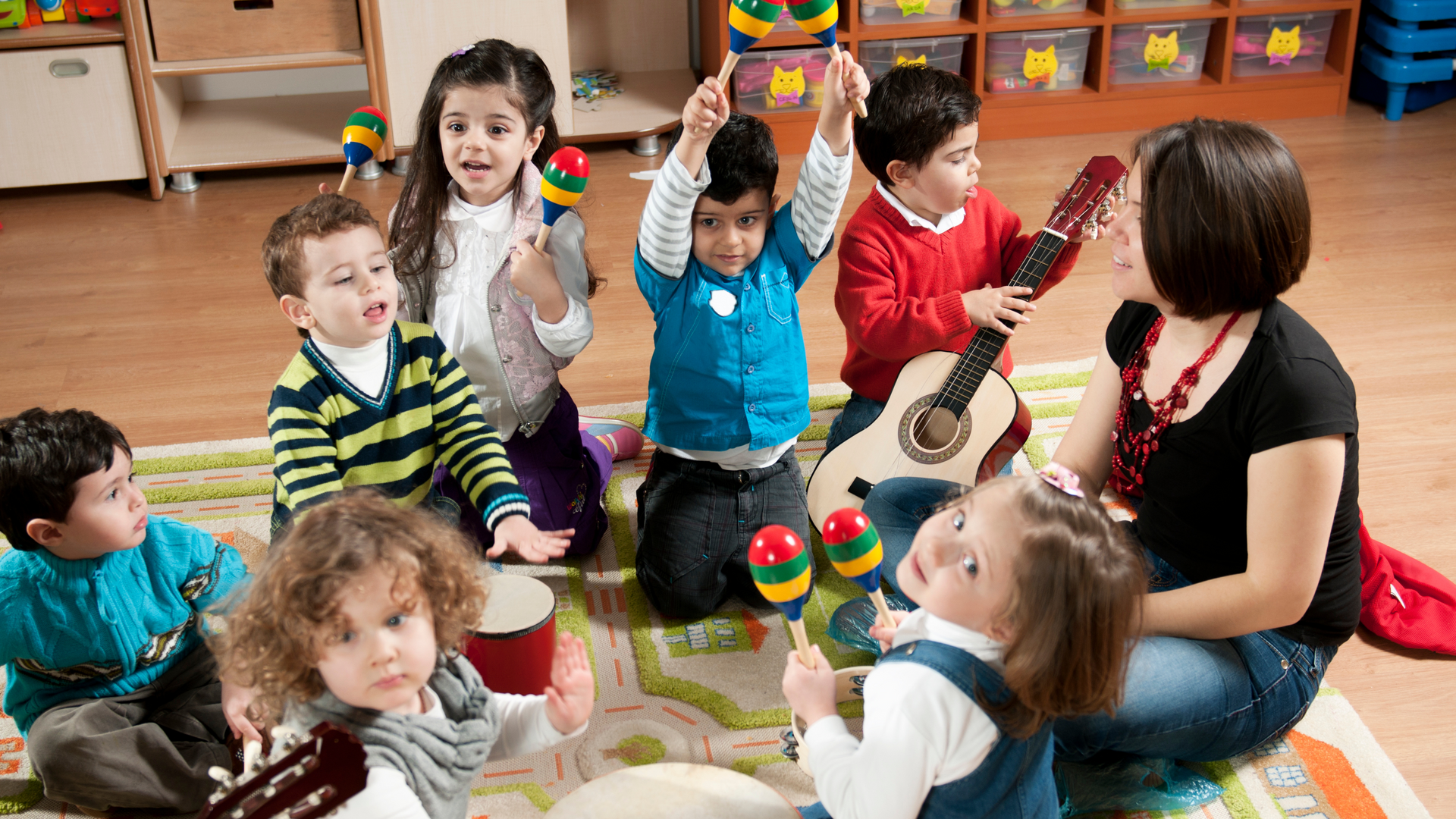
As parents and educators, we are constantly seeking effective ways to nurture a child’s growth, curiosity, and learning potential. One of the most powerful tools available to us is music and movement. From lullabies to dance parties, music and movement play a vital role in the development of young children. At Edukids Academy, we understand the profound impact that these elements have on early childhood learning and strive to incorporate them into our daily programs. In this article, we’ll explore how music and movement contribute to early childhood development and why they are essential for nurturing the whole child. The Power of Music in Early Childhood Music has been an essential part of human culture for centuries. It’s not just an enjoyable experience; it has a profound effect on brain development. For young children, music can serve as an incredible tool for learning and growth. Research shows that musical experiences help children develop language skills, cognitive abilities, and emotional intelligence. Here’s how music fosters development in the early years: 1. Language Development One of the most significant benefits of music for young children is its impact on language acquisition. Songs and rhymes introduce new words, concepts, and sentence structures, helping children expand their vocabulary. Music also helps young learners develop listening skills, which are essential for comprehension and communication. Children who are exposed to music early on are more likely to develop better speech and language skills as they grow. For example, nursery rhymes and songs with repetitive phrases help reinforce phonological awareness, which is a critical precursor to reading. 2. Cognitive Growth Music has a direct connection to the brain’s cognitive functions, particularly in the areas of memory and attention. The patterns, rhythms, and melodies found in music help children develop their ability to recognize sequences and patterns. This is a crucial skill that underpins many aspects of learning, from mathematics to reading. Moreover, learning music involves the use of both hemispheres of the brain, fostering cognitive growth in areas such as problem-solving, critical thinking, and spatial-temporal reasoning. Studies have shown that children who engage in music lessons demonstrate better performance in subjects like math and science. 3. Emotional Expression Music provides children with an emotional outlet. The various rhythms, tempos, and tones in music can evoke different emotions, and young children can learn to identify and express how they feel through music. This helps develop emotional intelligence and empathy. For example, fast and upbeat songs may express joy or excitement, while slower, softer songs may communicate sadness or calmness. Incorporating music into a child’s daily routine helps them build emotional awareness and understanding. It encourages children to explore their feelings in a safe and creative environment, contributing to emotional regulation and self-expression. 4. Social Skills Development Participating in group music activities, such as singing in a circle or playing instruments together, helps children develop essential social skills. These activities encourage cooperation, turn-taking, and teamwork. As children interact with their peers, they learn to share, listen, and collaborate in a group setting. Additionally, music provides a unique opportunity for children to bond with their caregivers and educators. Whether it’s through singing songs or dancing together, music fosters connection and trust-building. The Magic of Movement in Early Childhood Learning Just as music is crucial for development, so is movement. Physical activity plays a vital role in supporting children’s growth and learning. In fact, research shows that physical movement helps children develop not only their bodies but also their minds. Let’s take a look at how movement benefits early childhood learning: 1. Gross Motor Skills Movement activities help children develop their gross motor skills—large muscle movements that are important for tasks like walking, running, jumping, and climbing. By engaging in activities such as dancing, jumping, or playing games that involve physical activity, children improve coordination, balance, and strength. Strong gross motor skills are foundational for later physical activities and contribute to overall health and well-being. Encouraging children to move their bodies through playful activities can help develop these skills in a fun and engaging way. 2. Fine Motor Skills While gross motor skills are important, fine motor skills—small, precise movements—are just as critical. Music and movement often incorporate elements that require children to use their hands and fingers, which in turn helps to develop fine motor skills. For example, clapping, tapping instruments, or drawing along to the rhythm of a song all encourage hand-eye coordination, dexterity, and strength in the fingers. These skills are essential for later tasks like writing, drawing, and using tools, and they also contribute to independence as children learn to perform basic self-care activities. 3. Cognitive and Language Skills Through Movement Just as music enhances cognitive development, movement also stimulates the brain. Engaging in physical activities while listening to music allows children to process multiple pieces of information at once, which improves their ability to focus and process information. For example, dancing to a song while following verbal instructions helps children learn to follow directions and develop listening skills. Movement also enhances spatial awareness, as children learn about the relationship between their bodies and the environment around them. These skills are important for navigating the world, reading, writing, and other academic tasks. 4. Socialization and Emotional Development Much like music, movement encourages children to interact with others. Group activities such as dancing together or playing movement games allow children to develop teamwork and cooperation. They learn to respect others’ personal space, take turns, and work together to achieve a goal. Additionally, movement activities help children regulate their emotions and release excess energy. For example, active play allows children to calm down after a stressful situation, or it helps them express feelings they may not be able to articulate in words. Combining Music and Movement for Maximum Benefits The beauty of music and movement lies in their synergy. When combined, they provide a holistic learning experience that nurtures multiple areas of development simultaneously. Incorporating both into a child’s routine can improve not only physical and cognitive abilities but also emotional well-being and social skills. At Edukids Academy, we regularly incorporate music and movement into our early childhood curriculum. Whether it’s singing songs, dancing to the beat, or engaging in creative movement exercises, these activities are integral to fostering a well-rounded learning experience for every child. Conclusion The magic of music and movement in early childhood learning cannot be overstated. These elements provide countless benefits, from cognitive growth to emotional development, physical coordination to social skills. By incorporating music and movement into your child’s daily routine, you are helping them develop the foundational skills they need for future success in school and in life. At Edukids Academy, we prioritize fostering a love for learning through play, creativity, and movement. Our music and movement programs are designed to engage children in a dynamic, fun, and educational experience that promotes growth in every aspect of their development. To explore how early childhood education can lay the foundation for a bright future for your child, we encourage you to also check out some of our other helpful resources, such as 7 Advantages of Early Childcare Enrollment and What’s the Best Age to Start Childcare? .

As parents, we always want to ensure that our children are not only entertained but also learning as they play. Educational games are an excellent way to engage preschoolers while enhancing their cognitive, social, and emotional development. At Edukids Academy, we understand that play is one of the best ways young children learn and develop vital skills, which is why we've compiled a list of 10 fantastic educational games you can try with your preschooler at home. Whether your child is interested in numbers, letters, creativity, or problem-solving, there’s something for every little learner on this list. So, let’s dive into the top 10 educational games that will keep your preschooler engaged and learning while having fun! 1. Simon Says This classic game is more than just a fun activity—it’s a great tool for developing listening skills, self-regulation, and following instructions. In Simon Says, one player gives commands (e.g., "Simon says touch your nose") while others must follow only if the command is preceded by "Simon says." This helps children strengthen their ability to pay attention, think quickly, and understand verbal cues. Skills developed: Listening Self-regulation Following instructions 2. Memory Matching Games Memory matching games are simple but highly effective in improving memory and concentration. You can create a set of cards with pairs of images, letters, or numbers, and your child needs to match the pairs. This game enhances cognitive skills such as visual discrimination, memory recall, and focus. You can make the game progressively harder as your child gets better, introducing new themes or more cards. Skills developed: Memory recall Visual discrimination Focus and attention span 3. Building Blocks (e.g., LEGO, Wooden Blocks) Building blocks are not just toys; they are educational tools that encourage creativity, problem-solving, and spatial awareness. By stacking, sorting, and arranging the blocks in different configurations, your preschooler will work on fine motor skills and learn about balance and structure. You can also ask your child to replicate simple structures or create their own designs, which boosts their imagination and engineering skills. Skills developed: Fine motor skills Creativity and imagination Problem-solving and spatial awareness 4. Puzzle Games Puzzles are a fantastic way to develop problem-solving skills and cognitive reasoning. From simple wooden puzzles for younger children to more complex jigsaw puzzles, these games challenge your child to think critically, match shapes and colors, and improve their fine motor coordination. Start with easy puzzles and gradually increase the complexity as your child’s abilities grow. Skills developed: Problem-solving Fine motor coordination Shape and color recognition 5. Interactive Storytelling Games Storytelling is a fantastic way to help children develop language skills, creativity, and emotional intelligence. There are many interactive storytelling games available, such as magnetic storyboards, felt boards, or apps that encourage your child to create their own stories. You can also tell stories together, allowing your preschooler to contribute to the plot and develop their narrative skills. You might also try taking turns creating stories from a set of pictures or random words. Skills developed: Language and vocabulary development Creativity and imagination Social and emotional development 6. Alphabet Scavenger Hunt An alphabet scavenger hunt is a fun and active way to help your preschooler recognize letters and words. You can create a list of letters or common objects that start with each letter of the alphabet. Then, hide items around the house that correspond to each letter and have your child find them. This game also promotes physical activity, as your child will be moving around while learning. Skills developed: Letter recognition Word association Physical activity and motor skills 7. Counting Games with Household Items Help your preschooler practice counting using everyday objects found around the house. You can count toys, snacks, or even steps as you walk around. By turning ordinary activities into learning opportunities, you’re reinforcing number recognition, counting, and even basic addition and subtraction. You can also use counting songs or games like “How many apples are in the basket?” to make learning more fun. Skills developed: Number recognition Basic math skills (counting, addition, subtraction) Cognitive development 8. Shape and Color Sorting Sorting games help preschoolers recognize different shapes and colors while developing their classification and categorization skills. You can make a set of flashcards with different shapes and colors and ask your child to sort them into categories. Or, use everyday items like buttons, blocks, or colored paper to sort by color, shape, or size. Skills developed: Shape and color recognition Categorization Sorting and organizing skills 9. Musical Chairs with a Twist Musical chairs is a fun and active game that encourages physical movement, listening, and social skills. For an educational twist, add tasks such as asking children to identify colors, numbers, or shapes before they sit down. When the music stops, call out a color or number, and the child who matches that category can sit down. This adds an element of learning while engaging your child in active play. Skills developed: Listening skills Social interaction Physical movement 10. Art and Craft Activities While not a "game" in the traditional sense, art and craft activities are an essential part of a preschooler’s development. By using materials like paints, markers, paper, scissors, and clay, your child can explore creativity, shape recognition, and problem-solving skills. You can encourage your child to create themed crafts like animals, shapes, or seasonal decorations. As they create, they’ll also improve their fine motor skills and learn how to follow instructions. Skills developed: Creativity and imagination Fine motor skills Shape and color recognition Conclusion The top 10 educational games for preschoolers offer a wonderful mix of fun, learning, and skill development. By incorporating these games into your daily routine, you can help your child build essential skills like problem-solving, communication, fine motor coordination, and emotional intelligence. The best part is that these games are simple and can be played at home with minimal resources, making them ideal for families looking to create an enriching learning environment for their preschooler. At Edukids Academy, we strongly believe that early educational experiences help lay the foundation for future success. The educational games shared above provide an excellent way to support your preschooler’s growth at home. If you're interested in learning more about how early childcare enrollment can benefit your child, be sure to check out our post on the 7 Advantages of Early Childcare Enrollment . Additionally, if you're wondering about the ideal time to start childcare and how to make the best choice for your family, our guide on How to Secure Your Child's Spot in a Top Orlando Childcare Program offers valuable insights to help you make an informed decision.

As parents and caregivers, we know that children need sleep. But do we truly understand why sleep is so essential for young minds and how much of an impact it can have on their development? Sleep plays an incredibly important role in every aspect of a child's growth—physically, emotionally, and cognitively. At Edukids Academy, we recognize the importance of quality sleep, not just for a well-rested child but for a thriving, growing mind. The Science of Sleep and Brain Development Sleep is when the brain does some of its most important work. During sleep, the brain consolidates memories, processes emotions, and builds neural connections that are essential for learning and cognitive development. Research has shown that children who consistently get adequate, restful sleep perform better in school, have stronger memory and learning abilities, and exhibit better behavior. For young children, sleep is not just about rest—it's a critical time for brain development. Sleep directly affects the ability to focus, process information, and retain knowledge. That’s why consistent and high-quality sleep is a cornerstone of healthy early childhood development. How Much Sleep Do Children Need? Understanding how much sleep children need at various ages is key to ensuring they are getting the right amount of rest for optimal development. The American Academy of Pediatrics (AAP) provides general guidelines for sleep needs by age: Newborns (0-3 months) : 14-17 hours Infants (4-11 months) : 12-15 hours Toddlers (1-2 years) : 11-14 hours Preschoolers (3-5 years) : 10-13 hours School-age children (6-13 years) : 9-11 hours Teens (14-17 years) : 8-10 hours These numbers include nighttime sleep and daytime naps. It’s important to note that each child is unique and may have slightly different needs, but these ranges are a good guideline to follow. For instance, if your toddler is consistently acting cranky, having trouble focusing, or displaying behavioral challenges, it could be a sign that they need more sleep. The Impact of Sleep on Cognitive Development Sleep directly impacts a child’s brain function, including their ability to concentrate, solve problems, and retain information. Here’s how: Memory Consolidation : During sleep, children’s brains store and organize the information they’ve learned throughout the day. Sleep helps strengthen neural connections, making it easier for children to recall what they’ve learned. Problem-Solving and Creativity : Studies have shown that sleep enhances a child’s ability to solve problems and think creatively. This is especially important as children begin to develop critical thinking and problem-solving skills during early childhood. Attention and Focus : Adequate sleep helps children stay alert, focused, and engaged during the day. When a child is sleep-deprived, it’s harder for them to pay attention or absorb information. Language Development : Sleep is also crucial for language development. When children are well-rested, they have the energy and brain function to engage in conversations, learn new words, and build vocabulary. The Role of Sleep in Emotional and Behavioral Development In addition to cognitive growth, sleep plays a huge role in emotional regulation and behavior. Children who do not get enough sleep are more likely to exhibit mood swings, irritability, and emotional outbursts. They may also struggle with self-control, decision-making, and interpersonal relationships. Sleep helps the brain process and regulate emotions, reducing the likelihood of emotional imbalances. It’s a time when the brain can calm down, restore itself, and prepare for the challenges of the next day. Tips for Improving Sleep for Young Children As parents and caregivers, there are several strategies you can implement to ensure that your child is getting the high-quality sleep they need for optimal growth. Here are some tips to improve your child's sleep habits: 1. Establish a Consistent Sleep Routine Children thrive on routine. A consistent sleep schedule helps regulate their internal body clock and signals to their brain that it’s time to wind down for rest. Try to put your child to bed at the same time every night and develop a calming bedtime routine that helps them relax. This could include activities like reading, listening to soothing music, or taking a warm bath. 2. Create a Sleep-Friendly Environment The environment in which your child sleeps plays a significant role in the quality of their rest. Make sure their sleep space is quiet, dark, and cool. Consider using blackout curtains to block out light and white noise machines to create a calming atmosphere. Also, ensure that your child’s bed is comfortable with the right pillows and bedding. 3. Limit Screen Time Before Bed Exposure to screens—whether it’s a TV, tablet, or phone—can interfere with a child’s ability to fall asleep. The blue light emitted from screens disrupts the production of melatonin, a hormone that regulates sleep. Try to limit screen time at least 30 minutes before bedtime to help your child unwind. 4. Encourage Physical Activity During the Day Regular physical activity helps children expend energy and can promote better sleep. Make sure your child has time to play and engage in active movement during the day, but avoid vigorous exercise right before bedtime as it may make it harder for them to wind down. 5. Be Mindful of Diet and Caffeine Avoid giving your child caffeine-containing drinks like soda or chocolate late in the day. Caffeine can disrupt sleep by making it more difficult for children to fall asleep or stay asleep. Similarly, avoid large meals close to bedtime as they can cause discomfort that disrupts rest. 6. Use Relaxation Techniques If your child has trouble falling asleep, consider incorporating relaxation techniques like deep breathing or gentle stretches. These practices can help reduce stress and anxiety, which are common causes of sleep difficulties. The Connection Between Sleep and School Readiness Sleep doesn’t just affect a child’s mood or behavior—it’s directly tied to their academic success. A well-rested child is more likely to be alert, engaged, and focused at school. Adequate sleep is especially important for preschoolers, as it impacts memory, attention, and language development—skills that form the foundation for later learning. At Edukids Academy, we understand the importance of a well-rested child, and we ensure that our programs support healthy sleep habits. We encourage families to prioritize sleep as part of their overall approach to nurturing their child’s growth and development. Conclusion Sleep is an essential part of early childhood development. It not only helps children’s bodies rest and recharge but also supports the cognitive, emotional, and behavioral development necessary for a successful future. By establishing consistent sleep routines, creating a calming environment, and following healthy sleep habits, you can help your child get the rest they need to thrive. To learn more about the importance of early childhood education and the role it plays in your child’s development, check out our related blog posts: 7 Advantages of Early Childcare Enrollment and What’s the Best Age to Start Childcare? . These articles provide additional insights into how early education and sleep play pivotal roles in your child’s growth and learning.

Getting young children to eat healthy is a daily adventure for parents and educators alike. One day they’re all about broccoli, and the next, they’ve sworn off anything green. But here’s the good news: children are more likely to develop lifelong healthy eating habits when good nutrition is made fun, flavorful, and a regular part of their routine. At EduKids Academy, we know the importance of balanced meals and snacks in helping children thrive. Nutritious food supports not only physical growth but also cognitive development, emotional well-being, and the energy needed to stay active and engaged in learning. So how do we create meals that are both healthy and kid-approved? Read on to explore our strategies, tips for parents, and how we’re helping children develop a positive relationship with food from the start. Why Nutrition in Early Childhood Matters The early years are a critical window for establishing healthy eating patterns. During this time, a child’s brain is rapidly developing, their bodies are growing at impressive speeds, and their taste preferences are being shaped. Nutritious meals in these formative years are essential for: Cognitive development: Nutrients like iron, omega-3 fatty acids, and vitamins A, C, and D are vital for brain health and learning ability. Physical growth: Protein, calcium, and other key nutrients support bone development and muscle strength. Immune support: A balanced diet helps keep illnesses at bay by boosting immunity. Behavior and focus: Balanced blood sugar levels help children stay calm, focused, and ready to learn. A child who’s fueled properly is a child who’s better equipped to explore, socialize, and succeed—both in and out of the classroom. EduKids Academy’s Approach to Nutritious Meals At EduKids Academy, we make food fun, inclusive, and nourishing. Whether it’s lunchtime in the classroom or snack time after outdoor play, our meals follow thoughtful nutritional guidelines designed for young children. 1. Balanced and Colorful Plates We serve meals that include a variety of food groups and colors—because when food looks exciting, kids are more likely to try it! A typical plate might include: Lean protein : grilled chicken, turkey meatballs, tofu, beans Whole grains : brown rice, quinoa, whole wheat pasta Fruits and veggies : steamed broccoli, carrot sticks, sliced strawberries, apple wedges Healthy fats : avocado, nut butters (where allergies allow), olive oil dressings Dairy : yogurt, low-fat cheese, or calcium-fortified alternatives Colorful meals are not only visually appealing but also ensure a wide range of vitamins and nutrients. 2. Limiting Added Sugars and Processed Foods We’re careful about added sugars and processed snacks. Instead of sugary cereals or pre-packaged treats, we serve naturally sweetened items like: Fruit kabobs Yogurt with a drizzle of honey and fresh berries Homemade muffins made with applesauce or mashed banana By reducing sugar, we help children avoid energy spikes and crashes that can lead to crankiness and lack of focus. 3. Introducing New Foods with Familiar Favorites We understand that young children can be hesitant about trying new foods. That’s why we use familiar favorites as a bridge. For example: Mixing new vegetables into favorite pasta dishes Offering a small "taste bite" of something new alongside a well-loved food Using fun shapes and creative plating to make meals more appealing By offering new foods without pressure and repeating exposure, we build curiosity and acceptance over time. 4. Family-Style Dining for Social Learning Whenever possible, our mealtime routine mimics family-style dining. Children help serve themselves (with guidance), pass dishes, and engage in mealtime conversations. This approach: Promotes independence and fine motor skills Encourages children to try what others are enjoying Builds a positive, social relationship with food Tips for Parents: Healthy Eating at Home Creating nutritious meals kids love doesn’t have to be a battle at home. Here are some helpful tips for parents: 1. Make Meals Predictable Serve meals and snacks at consistent times each day to create structure. Children do best when they know what to expect. 2. Offer Variety Without Pressure Expose children to a range of healthy foods, even if they don’t always eat them. Avoid pressuring or bribing—it can backfire. Instead, model enjoyment by eating the foods yourself. 3. Get Kids Involved Let children help with age-appropriate tasks in the kitchen. Washing produce, stirring ingredients, or choosing a vegetable at the grocery store can increase their excitement about meals. 4. Keep Portions Kid-Sized Young children have small stomachs and different energy needs. Offer small portions and allow seconds if they’re still hungry. Avoid the "clean plate" rule—let them listen to their hunger cues. 5. Make Healthy Snacks Available Keep prepped fruits, veggies, yogurt, and whole-grain crackers within easy reach. Avoid stocking sugary snacks, and instead let your kitchen be filled with nutritious options. Fun and Healthy Meal Ideas for Kids Here are some tried-and-true ideas that are big hits with little learners: DIY Mini Pita Pizzas : Whole wheat pita, tomato sauce, veggies, and shredded cheese Breakfast Smoothies : Blended banana, spinach, Greek yogurt, and frozen berries Bento Boxes : Small compartments with hard-boiled eggs, cucumber slices, cheese cubes, and orange wedges Oven-Baked Veggie Tots : Made with shredded zucchini, carrots, and a little cheese Fruit & Cheese Skewers : Cubed melon, grapes, and cheddar on toothpicks When food is presented in fun and manageable ways, children are more likely to enjoy eating—and try something new! How Mealtime Supports Learning and Growth Nutritious meals aren't just about physical health—they support a child's whole development: Cognitive Benefits : Certain nutrients enhance memory, attention, and language skills Emotional Well-being : Balanced nutrition helps regulate mood and energy Social Skills : Shared meals promote communication, sharing, and table manners Cultural Learning : Food provides a window into different cultures and family traditions By turning mealtime into a learning moment, children grow not just healthier, but also more aware and connected. Food Allergies and Special Diets At EduKids Academy, we take allergies and special dietary needs seriously. Our staff is trained in allergy awareness and safe food handling. We work closely with families to accommodate: Peanut and tree nut allergies Dairy or gluten sensitivities Vegetarian or cultural dietary restrictions Parents are always encouraged to share any dietary concerns so we can ensure a safe, inclusive experience for every child. Final Thoughts Healthy eating doesn’t have to be a struggle. With the right approach, children can learn to enjoy nourishing meals and develop a positive relationship with food that lasts a lifetime. At EduKids Academy, we’re proud to create an environment where nutrition supports curiosity, learning, and joyful growth. When we combine nutritious food with love, fun, and consistency, healthy bites truly become happy bites. If you’re exploring early childhood programs that support your child’s growth in every area—including nutrition—check out our articles on The 7 Advantages of Early Childcare Enrollment and What’s the Best Age to Start Childcare? to learn more about how EduKids Academy helps children thrive from the inside out.

In today’s beautifully interconnected world, children are growing up in communities more diverse than ever before. At EduKids Academy, we believe it’s never too early to begin teaching children about the value of diversity, inclusion, and respect. By nurturing these core values from a young age, we help raise confident, empathetic, and open-minded individuals who appreciate differences and celebrate the uniqueness of everyone around them. But what does it really mean to “celebrate diversity” in early childhood education? How can teachers and families teach respect and inclusion to preschoolers in age-appropriate ways? And what impact does this have on a child's development? Let’s explore how EduKids Academy incorporates diversity and inclusion into daily learning and why this commitment plays such an important role in shaping compassionate young minds. What Is Diversity in Early Childhood? Diversity includes all the ways in which people are different from one another—race, ethnicity, culture, language, family structure, abilities, gender identity, religion, traditions, socioeconomic background, and more. In a preschool setting, embracing diversity means: Acknowledging and appreciating each child’s unique background and experiences Creating an inclusive environment where all children feel seen, heard, and valued Encouraging curiosity about others in a respectful and age-appropriate manner Preparing children to be kind, inclusive members of a diverse world Inclusion is the practice of ensuring all children, regardless of their differences, feel welcome and supported in every aspect of their education. It’s about equitable access, participation, and opportunity. Why It Matters: The Benefits of Teaching Inclusion Early Children begin to notice differences in people as early as 6 months old. By preschool age, they start forming social preferences and perceptions based on these observations. That’s why it’s essential to introduce messages of acceptance and understanding early—before biases have a chance to take root. Early inclusion education leads to: Increased empathy : Children learn to consider others' feelings and perspectives. Better communication skills : Exposure to diverse peers encourages open conversation. Greater self-confidence : When children feel accepted, they thrive emotionally and socially. Reduced prejudice : Early positive experiences with diversity build a foundation of respect. Collaborative learning : Diverse classrooms promote richer dialogue, cooperation, and creativity. At EduKids Academy, we don’t view diversity as a one-time lesson. It’s part of the rhythm of our daily curriculum and classroom culture. How EduKids Academy Teaches Inclusion and Respect Every Day 1. Culturally Inclusive Curriculum Our lesson plans reflect the rich diversity of our students and the broader world. This includes: Stories and books featuring characters of various races, cultures, languages, and abilities Celebrating a variety of holidays and traditions throughout the year Learning simple words or greetings in other languages Exploring global music, art, and food in ways preschoolers can understand and enjoy These experiences give children a glimpse into lives different from their own while also reinforcing the idea that all people deserve kindness and respect 2. Multicultural Representation in Materials Children need to see themselves and others reflected in their learning environment. That’s why we stock our classrooms with: Diverse dolls, puzzles, and toys Posters and artwork showing people of different backgrounds Bookshelves filled with inclusive stories Learning materials that show families, communities, and abilities in a variety of forms Representation fosters a sense of belonging and helps children understand that differences are normal and celebrated. 3. Open Dialogue and Guided Discussions Preschoolers are naturally curious. When they ask questions like, “Why is his skin darker than mine?” or “Why does she use a wheelchair?” we treat these as opportunities for gentle, honest conversations. Our teachers are trained to: Respond with age-appropriate answers Reinforce that differences are okay and valuable Use inclusive language and encourage children to do the same Address stereotypes or biased language when they arise Rather than silence these conversations, we embrace them as teachable moments. 4. Role-Modeling Inclusive Behavior Children learn as much from watching adults as they do from direct instruction. Our staff models inclusive behavior by: Treating every child with equal care and respect Using inclusive language when speaking to or about families Engaging with all students and parents in a warm, welcoming manner Demonstrating kindness, fairness, and understanding in all interactions We also encourage older students to be leaders in inclusion by helping peers, inviting others to play, and celebrating each other’s successes. 5. Promoting Social-Emotional Learning Social-emotional development is the backbone of inclusive education. Through our SEL (social-emotional learning) curriculum, children learn to: Recognize and manage their emotions Show empathy toward others Work together and solve problems peacefully Appreciate both similarities and differences Activities like partner games, group storytelling, and kindness challenges give children daily practice in building inclusive relationships. 6. Partnering with Families True inclusion extends beyond the classroom. We collaborate with families to ensure a consistent, respectful message across home and school by: Inviting parents to share their cultural traditions with the class Hosting multicultural family events and community days Providing resources on how to talk about diversity at home Encouraging an open dialogue with teachers about inclusion goals Every family brings something special to our EduKids community, and we welcome their participation in helping children appreciate the richness of our shared world. Handling Bias and Exclusion in Early Childhood Despite our best efforts, children may occasionally exhibit exclusionary behaviors or repeat something inappropriate they’ve heard. These moments are not failures—they are important teaching opportunities. When this happens, our educators: Gently correct the behavior without shaming Offer alternative, inclusive language or actions Help children understand how their words or choices affect others Reinforce empathy and kindness as classroom values Over time, these consistent responses help children internalize positive, inclusive habits. Building a Better Future, One Child at a Time The children of today will be the leaders, creators, and change-makers of tomorrow. By teaching them to celebrate diversity and practice inclusion now, we equip them to build a more just, empathetic, and united world. At EduKids Academy, we’re proud to help young children recognize the beauty in differences and the strength in unity. We believe that when children feel safe, valued, and accepted, they can truly blossom—academically, socially, and emotionally . Final Thoughts Teaching inclusion isn’t just about kindness—it’s about justice, empathy, and preparation for the world. At EduKids Academy, we are committed to raising children who are not only smart and curious but also compassionate, accepting, and ready to make the world a better place. If you're interested in how early childcare programs can support your child’s growth socially, emotionally, and intellectually, be sure to explore our related articles: The 7 Advantages of Early Childcare Enrollment and What’s the Best Age to Start Childcare? . These insights can help you make informed decisions about your child's early learning journey.

At EduKids Academy, we believe that creativity is not just a talent—it’s a vital life skill. In today’s fast-paced, ever-changing world, children need more than rote memorization to succeed. They need to think critically, solve problems, explore ideas, and imagine new possibilities. That’s why creativity is at the heart of everything we do in the classroom—every single day. While creativity might conjure images of painting and crafting (and yes, we do a lot of that!), it goes much deeper. True creativity encompasses the ability to express oneself, approach challenges with curiosity, and think in innovative ways. Whether through storytelling, dramatic play, building, music, or even science experiments, creative thinking is encouraged across all areas of learning at EduKids Academy. So, how exactly do we foster creativity in our classrooms? Let’s take a peek behind the curtain and explore how we create a vibrant, imaginative learning environment that nurtures the creative spark in every child. What Is Creativity in Early Childhood? Creativity in early childhood education isn’t about producing a perfect drawing or memorizing dance steps. It’s about the process of exploring, imagining, and making something new —something that reflects the child’s thoughts, experiences, or feelings. Creative development supports: Cognitive growth – Enhancing critical thinking and decision-making Emotional expression – Providing healthy outlets for feelings Communication – Encouraging self-expression and storytelling Problem-solving – Inspiring flexibility and innovation Confidence – Building pride and resilience through experimentation When children are given the freedom to create without fear of mistakes, they build the confidence to tackle challenges in creative, thoughtful ways. Our Creative Classrooms: More Than Just Pretty Art Projects At EduKids Academy, our classrooms are designed to stimulate imagination. You’ll find: Open-ended materials : Blocks, playdough, natural items, fabric scraps, and recycled materials that invite exploration and invention. Rotating provocations : Inspiring displays or setups that spark curiosity and inquiry (e.g., a basket of seashells next to a magnifying glass and drawing paper). Inviting art spaces : With easels, paints, pastels, glue, and child-safe scissors always within reach. Dramatic play corners : Fully stocked with costumes, props, and backdrops to support storytelling and role-play. Rather than directing children step-by-step, we encourage them to experiment with materials and express their own ideas. There's no “right” or “wrong” way to create—only opportunities to explore and grow. Daily Activities That Nurture Creativity Here’s how creativity is seamlessly woven into our everyday routines at EduKids Academy: 1. Art for Expression, Not Just Outcome We don’t just make crafts—we create meaningful art . While a handprint turkey is cute, we prioritize open-ended art experiences that allow children to make their own choices about what and how to create. Examples include: Painting with brushes, fingers, or unconventional tools (like sponges or twigs) Exploring textures with collage-making and sensory art Mixing colors and learning about how materials interact Using art to respond to stories or real-life experiences Through these activities, children develop fine motor skills, color recognition, patience, and most importantly, confidence in their own vision. 2. Dramatic Play: Imagination in Action Dramatic play is a powerful tool for nurturing creativity. When children dress up, role-play, and invent their own stories, they’re not just having fun—they’re building empathy, communication skills, and cognitive flexibility. In our classrooms, you’ll find dramatic play areas that transform into: Grocery stores, hospitals, space stations, restaurants, or anything the children imagine Puppet theaters for impromptu storytelling Costume corners for self-directed role play Toy kitchens, tool benches, and baby doll areas to act out real-life scenarios We observe and gently guide their play to support vocabulary development, social negotiation, and emotional understanding. 3. Music and Movement Music is a universal language, and in our classrooms, it’s also a daily celebration of creativity! Children are encouraged to: Sing along to familiar and original songs Play percussion instruments, xylophones, or bells Dance freely or follow fun routines Explore rhythm, pitch, and tempo We also use music to enhance transitions, introduce new themes, or simply to lift the energy of the classroom. It’s a joyful way to engage the body and brain together. 4. Storytelling and Creative Writing Even our youngest learners have stories to tell. Whether through drawing pictures or dictating words to a teacher, children engage in storytelling as a form of creative expression. We support literacy and imagination by: Reading a wide variety of books with diverse characters and ideas Encouraging children to create their own books or journals Hosting "story circles" where children share and act out tales Introducing puppetry and flannel boards for visual storytelling These practices not only foster creativity but also lay a strong foundation for reading and writing. 5. STEM with a Creative Twist You might not associate science and math with creativity, but problem-solving and experimentation are deeply creative processes. In our STEM (science, technology, engineering, and math) activities, children are invited to: Build structures with blocks or recycled materials Explore cause and effect through simple experiments Create patterns, solve puzzles, and tinker with tools Ask “what if?” and find their own answers through play This hands-on, discovery-based approach helps children see the world as a place full of questions they can explore through creative thinking. Encouraging a Creative Mindset Beyond activities and materials, we cultivate a creative mindset by: Celebrating effort over perfection Encouraging questions and curiosity Creating a safe space for experimentation Modeling flexibility and joy in learning Our teachers are facilitators, observers, and cheerleaders—supporting each child’s unique creative journey while offering gentle guidance and inspiration. Partnering with Families to Support Creativity We know creativity doesn’t end when the school day does. That’s why we regularly: Share photos and updates of classroom creations Provide simple at-home activity ideas Invite parents to join us for art shows, performances, or story hours Encourage families to talk with their children about their creative projects and ideas When creativity is nurtured both at school and at home, children truly flourish. Why Creativity Matters for the Future The benefits of creative development extend far beyond preschool. Children who are encouraged to think creatively: Become better problem-solvers Communicate more effectively Adapt to new situations with resilience Enjoy stronger self-esteem and emotional intelligence Are more likely to innovate and lead in the future In today’s world, where adaptability, originality, and collaboration are key to success, nurturing creativity is more important than ever. Final Thoughts At EduKids Academy, we don’t just teach children facts—we help them discover their voices, explore their imaginations, and grow into confident, creative thinkers . Every paint stroke, story shared, block tower built, or song sung is a step toward building a well-rounded, expressive child who is prepared to thrive in school and in life. If you’re ready to provide your child with a learning environment that values imagination, innovation, and individual expression, we’d love to welcome you into our EduKids family. And if you’re still considering your options, check out our helpful articles on The 7 Advantages of Early Childcare Enrollment and What’s the Best Age to Start Childcare to see how early, creative learning experiences can make a lifelong impact.
Keep Your Child on Track This Summer: Why School Readiness in West Orlando Matters More Than You Think When summer break begins, many parents feel a sense of relief. No more rushed mornings. No more school schedules. Just time to relax. But after a few weeks, another concern often starts to creep in: “Is my child falling behind?” “Will they be ready when school starts again?” It’s a real worry—and a valid one. Without structure and consistent learning, children can lose important skills over the summer. That’s why choosing the right school readiness West Orlando program can make all the difference. At Little Jewels Learning Center in West Orlando, summer isn’t just about keeping children busy. It’s about helping them stay confident, engaged, and prepared for what comes next. Here’s how a structured summer program supports your child’s growth—and why it matters more than you might think. Why School Readiness Matters During the Summer Months It’s easy to think of summer as a break from learning. But for young children, long gaps without structure can lead to what many parents notice as a “reset” when school begins again. Children may: Forget routines they’ve learned Struggle to focus or follow directions Feel less confident in group settings This can make the transition back to school stressful—not just for your child, but for you too. A strong school readiness West Orlando program helps prevent that. Instead of losing progress, your child continues building important skills in a way that feels natural and enjoyable. You won’t have to worry about starting from scratch when school begins again. How a Summer Program Supports Learning, Structure, and Growth A quality summer childcare West Orlando program does more than fill your child’s day. It supports three essential areas of development: Continued Learning Children stay engaged with activities that build language, early math, and problem-solving skills. Daily Structure A predictable routine helps children stay focused and understand expectations. Social Development Children practice communication, teamwork, and independence through daily interaction. At Little Jewels Learning Center, these elements are part of every day. This balanced approach ensures your child continues to grow—without feeling like they’re stuck in a classroom during summer. Activities That Build Real School Skills Children learn best when they’re actively engaged. That’s why the school readiness West Orlando approach at Little Jewels focuses on hands-on, meaningful activities. Each day includes: Storytime that strengthens listening and comprehension Creative arts that develop fine motor skills Early math and problem-solving activities Group play that encourages teamwork and communication These activities are designed with purpose. For example, working on a simple craft helps improve coordination and focus. Playing in groups teaches children how to share, communicate, and solve small problems. For families looking for kindergarten prep West Orlando, this type of daily exposure is incredibly valuable. Your child builds skills gradually—so they feel confident instead of overwhelmed when school begins. Why Routine Helps Children Feel Confident and Prepared One of the biggest differences between children who struggle at the start of the school year and those who adjust easily is routine. Children thrive when they know what to expect. At Little Jewels Learning Center, each day follows a structured schedule that helps children: Transition smoothly between activities Follow directions more easily Stay engaged throughout the day This consistency builds confidence. When children are used to structure, they are more comfortable in classroom environments. That’s a key part of any effective school readiness West Orlando program. What a Typical Day Looks Like at Little Jewels Learning Center As a parent, knowing your child’s daily routine can bring a lot of peace of mind. At Little Jewels Learning Center, a typical day includes: Morning arrival and welcoming activities Circle time and group learning Breakfast or snack Hands-on learning and creative play Outdoor time for movement and fresh air Lunch and social interaction Quiet time to rest and recharge Afternoon activities and guided play Flexible pickup options One of the biggest advantages for families is the center’s extended hours—open until 11:59 PM. Whether you work early mornings or late evenings, you won’t have to worry about rushing or finding extra childcare. Your schedule is supported, while your child’s routine stays consistent. Building Social and Emotional Confidence Academic skills are important—but confidence plays an equally big role in school readiness. Children need to feel comfortable: Speaking up Asking for help Interacting with others At Little Jewels Learning Center, children practice these skills every day. They learn how to: Share and take turns Communicate their needs Build friendships Work together in group settings For parents, this is one of the biggest benefits of a structured summer childcare West Orlando program. A confident child is more likely to participate, engage, and succeed in school. What Makes Little Jewels Learning Center the Right Choice When choosing a school readiness West Orlando program, it’s important to look beyond basic childcare. Little Jewels Learning Center offers features that truly support families: Extended Hours Until 11:59 PM Perfect for parents with busy or non-traditional schedules. School Readiness Accepted Making quality childcare more accessible and affordable. Special Needs Inclusive Every child is welcomed and supported in a nurturing environment. Programs for Every Age Group From infants to school-age children, your child can grow in one trusted place. These features provide something every parent needs—peace of mind. You know your child is safe, supported, and in an environment designed for growth. Addressing Parent Concerns with Confidence Choosing the right program comes with important questions—and that’s completely normal. Safety Your child is supervised at all times in a structured and secure environment. Trust Consistent care and experienced staff help build strong relationships with families. Affordability With accepted programs and valuable services, families receive dependable care without unnecessary stress. When you choose a strong school readiness West Orlando program, you’re choosing confidence in your decision. You won’t have to second-guess where your child spends their day. A Smoother Transition Back to School One of the biggest benefits of a structured summer program is what happens when school begins again. Instead of adjusting to a completely new environment, your child is already familiar with: Routines Group activities Listening and participation This makes the transition smoother and less stressful. For parents, that means: Easier mornings Fewer challenges A more confident child A strong school readiness West Orlando program sets the tone for the entire school year. Give Your Child a Strong Start This Summer Summer is more than just a break—it’s an opportunity. With the right program, your child can: Stay engaged and continue learning Build confidence and independence Develop social and emotional skills Feel prepared for the next school year At Little Jewels Learning Center in West Orlando, every part of the program is designed to support your child’s success. For families looking for kindergarten prep West Orlando, this is one of the best ways to give your child a head start. Schedule a Tour or Enroll Today Summer spots are limited, and programs fill quickly. If you want your child to stay confident, prepared, and supported, now is the time to act. 👉 Schedule a tour today and see the environment for yourself 👉 Call now to speak with the team and get your questions answered 👉 Enroll today to secure your child’s spot before spaces are gone Give your child the confidence, structure, and support they need to walk into the next school year ready to succeed—right here in West Orlando.
What a Day at Summer Camp Really Looks Like in West Orlando (And Why Kids Can’t Wait to Come Back) If you’ve ever dropped your child off somewhere new, you know the feeling. You wonder: “Will they be okay?” “Will they enjoy it?” “What are they actually doing all day?” For many parents, the biggest concern isn’t just finding care—it’s making sure their child is happy, engaged, and safe while they’re there. That’s why understanding your child’s daily experience matters. At Little Jewels Learning Center, our summer activities West Orlando families trust are built around structure, fun, and meaningful learning—so your child isn’t just passing time, they’re growing every day. Here’s what a typical day looks like—and why kids love coming back. Why Knowing Your Child’s Daily Experience Matters It’s easy to assume that all summer programs are the same. But the truth is, what happens throughout the day shapes how your child feels, learns, and grows. Without structure and engaging activities, children can: Feel bored or disconnected Lose important learning habits Struggle with transitions later On the other hand, a well-designed program gives your child something to look forward to. When you choose a program with intentional summer activities West Orlando, you’re choosing a place where your child feels excited, supported, and confident. And as a parent, you won’t have to wonder how their day is going—you’ll see it in their energy, their stories, and their smiles. How a Structured Summer Program Helps Your Child Thrive Children thrive when their day has purpose. At Little Jewels Learning Center, every part of the day is designed to support: Learning Children build early academic skills through hands-on, age-appropriate activities. Structure A consistent routine helps children feel secure and focused. Social Growth Daily interaction helps children learn communication, sharing, and teamwork. This balance is what makes a strong summer childcare West Orlando experience. Instead of falling behind, your child continues developing skills while still enjoying their summer. Activities That Make Learning Feel Like Fun Children don’t learn best by sitting still—they learn by doing. That’s why our summer activities West Orlando program focuses on hands-on, engaging experiences that feel natural and exciting. Each day includes: Storytime that builds listening and comprehension Creative arts that strengthen fine motor skills Early math and problem-solving games Group play that encourages teamwork These activities are carefully planned to support development at every stage. For example, something as simple as building with blocks can improve problem-solving and coordination. Group games help children practice communication and cooperation. For you, that means your child is learning without pressure—and enjoying every moment of it. Why Routine Helps Children Feel Confident and Secure One of the biggest reasons children enjoy coming back each day is consistency. A predictable routine helps children: Feel safe and comfortable Understand what comes next Transition between activities with ease At Little Jewels Learning Center, routines are built into the day in a way that feels natural, not strict. This is especially important for younger children who rely on structure to feel secure. When you choose a program with strong summer activities West Orlando, you’re giving your child an environment where they can relax, engage, and thrive. What a Typical Day Looks Like at Little Jewels Learning Center So what does your child’s day actually look like? Here’s a closer look at a typical kids summer schedule West Orlando families can expect: Morning arrival with welcoming activities Circle time and group learning Breakfast or snack to start the day Hands-on learning and creative play Outdoor time for movement and fresh air Lunch and social interaction Quiet time to rest and recharge Afternoon activities and group play Flexible pickup times One of the biggest advantages for families is the center’s extended hours—open until 11:59 PM. Whether you work early, late, or non-traditional hours, you won’t have to stress about rushing or finding backup care. Your schedule is supported—so your child’s day stays consistent. Building Confidence Through Social Interaction A big part of your child’s day isn’t just what they learn—it’s how they connect with others. At Little Jewels Learning Center, children are encouraged to: Share and take turns Express their thoughts and needs Build friendships Work together in group activities These daily interactions help children feel more comfortable in social settings. For many parents, this is one of the biggest benefits of a structured summer childcare West Orlando program. When children feel confident socially, they’re more likely to participate, engage, and enjoy learning. What Makes Little Jewels Learning Center Different Not all summer programs offer the same level of flexibility and support. At Little Jewels Learning Center, we understand what families in West Orlando truly need. Open Until 11:59 PM Designed for parents with busy or non-traditional schedules. School Readiness Accepted Making quality childcare more accessible and affordable. Special Needs Inclusive Every child is welcomed and supported in a nurturing environment. Programs for All Ages From infants to school-age children, your child can grow in one trusted place. These aren’t just features—they’re solutions to real challenges parents face every day. Addressing What Parents Care About Most Choosing the right program comes with important questions—and you deserve clear answers. Safety Your child is supervised at all times in a structured, secure environment. Trust Consistent care and experienced staff help build strong relationships with families. Affordability Families benefit from accepted programs and valuable services that make care more manageable. You shouldn’t have to second-guess your decision. When you choose a program with strong summer activities West Orlando, you gain peace of mind knowing your child is in the right place. A Smoother Transition Back to School One of the biggest benefits of a structured summer experience is what happens next. Children who stay engaged over the summer: Adjust more easily to school routines Feel more confident in group settings Experience fewer challenges during transitions At Little Jewels Learning Center, children build these habits every day. For you, that means less stress and a more positive start to the school year. Give Your Child a Summer They’ll Look Forward To Every Day The right summer program isn’t just about filling time—it’s about creating a positive, meaningful experience. At Little Jewels Learning Center, your child will: Stay active and engaged Build confidence and independence Learn through structured, fun activities Feel safe, supported, and encouraged And most importantly—they’ll enjoy coming back each day. Schedule a Tour or Enroll Today Summer spots are limited, and programs fill quickly. If you want a place where your child is happy, safe, and growing every day, now is the time to act. 👉 Schedule a tour today and see the program in action 👉 Call now to speak with the team and get your questions answered 👉 Enroll today to secure your child’s spot before availability runs out Give your child a summer filled with confidence, structure, and joy—right here in West Orlando.
What’s Really Included in a Summer Program? A Parent’s Guide to Meals, Activities, and Daily Routines in West Orlando When you’re looking for the right place for your child during the summer, one question comes up again and again: “What exactly is my child going to be doing all day?” You want more than just supervision. You want a program where your child is safe, engaged, learning, and cared for—without adding more stress to your daily routine. Finding a high-quality summer program in West Orlando can feel overwhelming, especially when every center sounds similar on the surface. At Little Jewels Learning Center, everything is designed to give parents clarity and peace of mind. From meals to activities to daily structure, you know exactly what your child is experiencing—and why it matters. Here’s a closer look at what a great summer program should include, and how the right choice can make a lasting difference for your child. Why Understanding What’s Included Matters for Your Child Not all summer programs offer the same level of care. Some provide basic supervision, while others create a structured environment that supports your child’s development, confidence, and well-being. Without the right balance of activities and routine, children can: Lose important learning habits Struggle with transitions later Feel bored or disconnected That’s why choosing the right summer program in West Orlando isn’t just about filling time—it’s about making sure your child continues to grow. When you understand what’s included in a program, you can make a decision with confidence instead of uncertainty. How a Quality Summer Program Supports Learning, Structure, and Growth A strong summer childcare West Orlando program does more than keep children occupied. It supports three key areas of development: Learning Children continue building language, early math, and problem-solving skills through hands-on activities. Structure A consistent daily routine helps children stay focused and understand expectations. Social Development Children learn how to communicate, share, and build relationships with others. At Little Jewels Learning Center, these elements are part of every day. Instead of falling behind over the summer, your child continues building skills in a way that feels natural and enjoyable. Activities That Keep Children Engaged and Learning One of the most important parts of any summer program is the variety of activities offered. At Little Jewels Learning Center, your child won’t just sit and pass the time. They’ll be actively engaged in meaningful experiences like: Storytime to strengthen listening and language skills Creative arts and crafts that support fine motor development Early math and problem-solving activities Group play that encourages teamwork and communication These activities are carefully planned to support development at every stage. For example, a simple art project helps improve coordination, while group play teaches children how to interact with others. For parents, this means your child is not only having fun—but also gaining skills that will help them succeed in school. Why Daily Structure Makes a Big Difference Children feel more confident when they know what to expect. A well-structured day helps reduce anxiety and keeps children engaged from start to finish. At Little Jewels Learning Center, routines are built into every part of the day. Children move through activities in a predictable way, which helps them: Stay focused Follow directions more easily Transition between activities with less frustration This structure is especially important for younger children who thrive on consistency. Choosing the right summer program in West Orlando means choosing a place where your child feels secure, supported, and ready to participate. What a Typical Day Looks Like at Little Jewels Learning Center As a parent, it’s important to know what your child’s day actually looks like. At Little Jewels Learning Center, a typical day includes: Warm morning welcome and transition into the day Group learning and circle time Nutritious meals and snacks Hands-on learning activities and creative play Outdoor time for movement and exploration Quiet or rest time to recharge Afternoon group activities and social interaction Flexible pickup times, including extended hours One of the standout features is the center’s extended hours—open until 11:59 PM. This makes a huge difference for families with demanding or non-traditional work schedules. You won’t have to worry about rushing or finding last-minute childcare. Meals That Support Energy, Focus, and Convenience Meals are an important part of your child’s day—and your daily routine. At Little Jewels Learning Center, meals are included, giving your child the nutrition they need to stay energized and focused. Children benefit from: Regular meal times that support routine Balanced nutrition to fuel learning and play Social interaction during meals For parents, this is a major convenience. You don’t have to prepare meals every morning or worry about whether your child is eating properly during the day. It’s one less thing to think about in your already busy schedule. Helping Children Build Social and Emotional Confidence Summer programs are about more than academics. They’re also an opportunity for children to develop confidence and independence in a supportive environment. At Little Jewels Learning Center, children learn how to: Communicate their needs Share and take turns Build friendships Navigate group settings These experiences help children feel more comfortable when they enter a classroom environment. For many parents, this is one of the biggest benefits of choosing a structured summer childcare West Orlando program. A confident child is more likely to participate, engage, and enjoy learning. What Makes Little Jewels Learning Center Stand Out When comparing options for a summer program in West Orlando, it’s important to look at what truly sets a center apart. Little Jewels Learning Center offers: Extended Hours Until 11:59 PM Designed for working parents who need flexibility beyond traditional daycare hours. School Readiness Accepted Helping make quality childcare more accessible and affordable. Special Needs Inclusive Environment Every child is welcomed and supported based on their individual needs. Programs for All Age Groups From infants to school-age children, your child can stay in one trusted place as they grow. These features provide something every parent values: peace of mind. You know your child is in a place that understands your needs—and theirs. Addressing Parent Concerns with Clarity and Confidence It’s completely normal to have questions before choosing a summer program. At Little Jewels Learning Center, those concerns are taken seriously. Safety Children are supervised at all times in a structured and secure environment. Trust Consistent care and experienced staff help build strong relationships with families. Affordability Finding a quality program at the right price matters. With accepted programs and included services, families receive real value. Choosing the right summer program in West Orlando means choosing a place where you feel confident every day your child is there. Making the Transition Back to School Easier One of the biggest benefits of a structured summer program is how it prepares your child for the school year ahead. Instead of adjusting to a completely new routine, your child already understands: How to follow a schedule How to participate in group settings How to listen and engage This makes the transition back to school smoother and less stressful. For parents, that means fewer struggles and a more confident child on the first day of school. Give Your Child a Summer That Supports Growth and Confidence Summer is a time for fun—but it’s also an opportunity. With the right program, your child can: Stay engaged and active Build important skills Develop confidence and independence Feel supported every step of the way At Little Jewels Learning Center in West Orlando, every part of the program is designed with your child’s success in mind. Schedule a Tour or Enroll Today Summer spots are limited, and the best programs fill up quickly. Now is the time to secure a safe, structured, and supportive environment for your child. 👉 Schedule a tour today and see the difference for yourself 👉 Call now to speak with the team and get your questions answered 👉 Enroll today to reserve your child’s spot before availability runs out Give your child a summer filled with learning, confidence, and care—right here in West Orlando.
How to Choose a Safe and Affordable Summer Camp in West Orlando (Without the Stress) When summer break is around the corner, many parents start asking the same question: Where can I find a safe, reliable, and affordable place for my child during the day? It’s not just about keeping your child busy. You want a program where they’re safe, supported, learning, and genuinely happy. Finding the right summer camp in West Orlando can feel overwhelming. There are so many options, but not all of them offer the structure, care, and value your family needs. At Little Jewels Learning Center in West Orlando, parents don’t have to choose between safety, affordability, and quality. You can have all three—along with a program that truly supports your child’s growth. Here’s what to look for when choosing the right summer program—and how to feel confident in your decision. Why Choosing the Right Summer Camp Matters More Than You Think Summer is often seen as a break from learning, but for young children, long gaps without structure can lead to setbacks. Children can lose important skills like: Following directions Staying focused on tasks Social interaction with peers More importantly, they can lose confidence. When children return to school after an unstructured summer, they may feel behind or unsure of themselves. That transition can be stressful for both you and your child. That’s why choosing the right summer camp in West Orlando is about more than convenience—it’s about setting your child up for success. A structured, supportive environment helps children stay engaged, continue learning, and build confidence while still enjoying their summer. What a Great Summer Program Should Provide Not all summer programs are created equal. The best ones go beyond basic supervision. A high-quality summer childcare West Orlando program should offer: 1. Learning Through Play Children should be engaged in activities that support development without feeling like school. 2. Structure and Routine Consistent schedules help children feel secure and confident. 3. Social Interaction Children need daily opportunities to communicate, share, and build friendships. 4. A Safe and Nurturing Environment Parents should feel confident that their child is cared for at all times. At Little Jewels Learning Center, every part of the program is designed with these goals in mind—so your child is growing, not just passing time. How Daily Activities Support Growth and Confidence Children learn best through hands-on experiences. At Little Jewels Learning Center, summer activities are designed to be both fun and meaningful. Your child will take part in: Storytime that builds language and listening skills Creative arts that develop fine motor skills Early math and problem-solving activities Group play that encourages teamwork and communication These activities may seem simple, but they play a powerful role in development. For parents searching for an affordable summer camp West Orlando, this is what makes a real difference. Your child isn’t just entertained—they’re learning skills that will help them succeed in school. You’ll notice changes at home too. Your child may become more confident, more expressive, and more independent. Why Structure Helps Children Thrive One of the biggest benefits of a quality summer program is structure. Children thrive when they know what to expect. A predictable routine helps them feel safe, focused, and ready to participate. At Little Jewels Learning Center, each day follows a consistent schedule that includes: Learning time Playtime Meals Rest This balance keeps children engaged without overwhelming them. For parents, this means fewer struggles with transitions and behavior. Your child becomes more comfortable following directions and moving between activities—skills they’ll need when school starts again. What a Typical Day Looks Like Knowing your child’s daily routine can give you peace of mind. At Little Jewels Learning Center, a typical day includes: Morning arrival and welcome activities Group learning and circle time Snack or meal time Hands-on learning and creative play Outdoor play for movement and energy Lunch and social interaction Quiet or rest time Afternoon activities and guided play End-of-day pickup (with extended hours available) One of the biggest advantages for families is the center’s extended hours—open until 11:59 PM. This flexibility is a game-changer for parents with non-traditional work schedules. You won’t have to rush or worry about finding backup care. Building Social and Emotional Confidence Summer is the perfect time for children to build social skills in a relaxed environment. At Little Jewels Learning Center, children learn how to: Share and take turns Express their needs clearly Work together in group settings Build friendships These experiences help children feel more confident when they enter a classroom setting. For many parents, this is just as important as academic learning. A child who feels comfortable socially is more likely to participate, engage, and enjoy school. What Makes Little Jewels Learning Center Different When choosing a summer camp in West Orlando, it’s important to look at what truly sets a provider apart. Little Jewels Learning Center offers several unique advantages: Extended Hours Until 11:59 PM Perfect for working families who need flexibility beyond the typical daycare schedule. School Readiness Accepted Families can use available programs to make childcare more affordable and accessible. Special Needs Inclusive Every child is welcomed and supported in a nurturing environment that values inclusion. Programs for Every Age Group From infants to school-age children, your child can stay in one trusted place as they grow. These features are not just conveniences—they provide real peace of mind. You’re not just choosing a program. You’re choosing a place where your child is understood, supported, and cared for. Addressing What Parents Worry About Most Choosing a summer program comes with important questions—and you deserve clear answers. Is My Child Safe? At Little Jewels Learning Center, children are supervised at all times in a structured, secure environment. Can I Trust the Staff? Consistency, care, and experience help build strong relationships with both children and families. Is It Affordable? Finding an affordable summer camp West Orlando can be challenging, but Little Jewels offers real value through flexible programs and accepted funding options. Will My Child Be Happy Here? Children are engaged, supported, and encouraged every day—so they feel comfortable and confident. When these concerns are addressed, you can make your decision with confidence. A Smoother Transition Back to School One of the biggest benefits of choosing the right summer program is how it prepares your child for what comes next. Instead of starting from scratch, your child enters the school year already familiar with: Routines Group learning Listening and participation This makes the transition back to school much smoother. For parents, that means: Less stress Easier mornings A more confident child A strong summer camp in West Orlando doesn’t just fill time—it builds readiness for the future. Give Your Child a Safe, Supportive, and Fun Summer Choosing the right summer program is one of the most important decisions you’ll make this season. At Little Jewels Learning Center, your child will: Stay active and engaged Build confidence and independence Learn through structured, meaningful activities Feel safe, supported, and cared for For families in West Orlando, this is more than childcare—it’s a place where your child can grow and thrive. Schedule a Tour or Enroll Today Summer spots are limited, and programs fill up quickly. Don’t wait until the last minute to secure a safe and reliable place for your child. 👉 Schedule a tour today and see the environment for yourself 👉 Call now to speak with the team and get your questions answered 👉 Enroll today to reserve your child’s spot before spaces are gone Give your child a summer filled with growth, confidence, and care—right here in West Orlando.
As parents and educators, we are constantly seeking effective ways to nurture a child’s growth, curiosity, and learning potential. One of the most powerful tools available to us is music and movement. From lullabies to dance parties, music and movement play a vital role in the development of young children. At Edukids Academy, we understand the profound impact that these elements have on early childhood learning and strive to incorporate them into our daily programs. In this article, we’ll explore how music and movement contribute to early childhood development and why they are essential for nurturing the whole child. The Power of Music in Early Childhood Music has been an essential part of human culture for centuries. It’s not just an enjoyable experience; it has a profound effect on brain development. For young children, music can serve as an incredible tool for learning and growth. Research shows that musical experiences help children develop language skills, cognitive abilities, and emotional intelligence. Here’s how music fosters development in the early years: 1. Language Development One of the most significant benefits of music for young children is its impact on language acquisition. Songs and rhymes introduce new words, concepts, and sentence structures, helping children expand their vocabulary. Music also helps young learners develop listening skills, which are essential for comprehension and communication. Children who are exposed to music early on are more likely to develop better speech and language skills as they grow. For example, nursery rhymes and songs with repetitive phrases help reinforce phonological awareness, which is a critical precursor to reading. 2. Cognitive Growth Music has a direct connection to the brain’s cognitive functions, particularly in the areas of memory and attention. The patterns, rhythms, and melodies found in music help children develop their ability to recognize sequences and patterns. This is a crucial skill that underpins many aspects of learning, from mathematics to reading. Moreover, learning music involves the use of both hemispheres of the brain, fostering cognitive growth in areas such as problem-solving, critical thinking, and spatial-temporal reasoning. Studies have shown that children who engage in music lessons demonstrate better performance in subjects like math and science. 3. Emotional Expression Music provides children with an emotional outlet. The various rhythms, tempos, and tones in music can evoke different emotions, and young children can learn to identify and express how they feel through music. This helps develop emotional intelligence and empathy. For example, fast and upbeat songs may express joy or excitement, while slower, softer songs may communicate sadness or calmness. Incorporating music into a child’s daily routine helps them build emotional awareness and understanding. It encourages children to explore their feelings in a safe and creative environment, contributing to emotional regulation and self-expression. 4. Social Skills Development Participating in group music activities, such as singing in a circle or playing instruments together, helps children develop essential social skills. These activities encourage cooperation, turn-taking, and teamwork. As children interact with their peers, they learn to share, listen, and collaborate in a group setting. Additionally, music provides a unique opportunity for children to bond with their caregivers and educators. Whether it’s through singing songs or dancing together, music fosters connection and trust-building. The Magic of Movement in Early Childhood Learning Just as music is crucial for development, so is movement. Physical activity plays a vital role in supporting children’s growth and learning. In fact, research shows that physical movement helps children develop not only their bodies but also their minds. Let’s take a look at how movement benefits early childhood learning: 1. Gross Motor Skills Movement activities help children develop their gross motor skills—large muscle movements that are important for tasks like walking, running, jumping, and climbing. By engaging in activities such as dancing, jumping, or playing games that involve physical activity, children improve coordination, balance, and strength. Strong gross motor skills are foundational for later physical activities and contribute to overall health and well-being. Encouraging children to move their bodies through playful activities can help develop these skills in a fun and engaging way. 2. Fine Motor Skills While gross motor skills are important, fine motor skills—small, precise movements—are just as critical. Music and movement often incorporate elements that require children to use their hands and fingers, which in turn helps to develop fine motor skills. For example, clapping, tapping instruments, or drawing along to the rhythm of a song all encourage hand-eye coordination, dexterity, and strength in the fingers. These skills are essential for later tasks like writing, drawing, and using tools, and they also contribute to independence as children learn to perform basic self-care activities. 3. Cognitive and Language Skills Through Movement Just as music enhances cognitive development, movement also stimulates the brain. Engaging in physical activities while listening to music allows children to process multiple pieces of information at once, which improves their ability to focus and process information. For example, dancing to a song while following verbal instructions helps children learn to follow directions and develop listening skills. Movement also enhances spatial awareness, as children learn about the relationship between their bodies and the environment around them. These skills are important for navigating the world, reading, writing, and other academic tasks. 4. Socialization and Emotional Development Much like music, movement encourages children to interact with others. Group activities such as dancing together or playing movement games allow children to develop teamwork and cooperation. They learn to respect others’ personal space, take turns, and work together to achieve a goal. Additionally, movement activities help children regulate their emotions and release excess energy. For example, active play allows children to calm down after a stressful situation, or it helps them express feelings they may not be able to articulate in words. Combining Music and Movement for Maximum Benefits The beauty of music and movement lies in their synergy. When combined, they provide a holistic learning experience that nurtures multiple areas of development simultaneously. Incorporating both into a child’s routine can improve not only physical and cognitive abilities but also emotional well-being and social skills. At Edukids Academy, we regularly incorporate music and movement into our early childhood curriculum. Whether it’s singing songs, dancing to the beat, or engaging in creative movement exercises, these activities are integral to fostering a well-rounded learning experience for every child. Conclusion The magic of music and movement in early childhood learning cannot be overstated. These elements provide countless benefits, from cognitive growth to emotional development, physical coordination to social skills. By incorporating music and movement into your child’s daily routine, you are helping them develop the foundational skills they need for future success in school and in life. At Edukids Academy, we prioritize fostering a love for learning through play, creativity, and movement. Our music and movement programs are designed to engage children in a dynamic, fun, and educational experience that promotes growth in every aspect of their development. To explore how early childhood education can lay the foundation for a bright future for your child, we encourage you to also check out some of our other helpful resources, such as 7 Advantages of Early Childcare Enrollment and What’s the Best Age to Start Childcare? .
As parents, we always want to ensure that our children are not only entertained but also learning as they play. Educational games are an excellent way to engage preschoolers while enhancing their cognitive, social, and emotional development. At Edukids Academy, we understand that play is one of the best ways young children learn and develop vital skills, which is why we've compiled a list of 10 fantastic educational games you can try with your preschooler at home. Whether your child is interested in numbers, letters, creativity, or problem-solving, there’s something for every little learner on this list. So, let’s dive into the top 10 educational games that will keep your preschooler engaged and learning while having fun! 1. Simon Says This classic game is more than just a fun activity—it’s a great tool for developing listening skills, self-regulation, and following instructions. In Simon Says, one player gives commands (e.g., "Simon says touch your nose") while others must follow only if the command is preceded by "Simon says." This helps children strengthen their ability to pay attention, think quickly, and understand verbal cues. Skills developed: Listening Self-regulation Following instructions 2. Memory Matching Games Memory matching games are simple but highly effective in improving memory and concentration. You can create a set of cards with pairs of images, letters, or numbers, and your child needs to match the pairs. This game enhances cognitive skills such as visual discrimination, memory recall, and focus. You can make the game progressively harder as your child gets better, introducing new themes or more cards. Skills developed: Memory recall Visual discrimination Focus and attention span 3. Building Blocks (e.g., LEGO, Wooden Blocks) Building blocks are not just toys; they are educational tools that encourage creativity, problem-solving, and spatial awareness. By stacking, sorting, and arranging the blocks in different configurations, your preschooler will work on fine motor skills and learn about balance and structure. You can also ask your child to replicate simple structures or create their own designs, which boosts their imagination and engineering skills. Skills developed: Fine motor skills Creativity and imagination Problem-solving and spatial awareness 4. Puzzle Games Puzzles are a fantastic way to develop problem-solving skills and cognitive reasoning. From simple wooden puzzles for younger children to more complex jigsaw puzzles, these games challenge your child to think critically, match shapes and colors, and improve their fine motor coordination. Start with easy puzzles and gradually increase the complexity as your child’s abilities grow. Skills developed: Problem-solving Fine motor coordination Shape and color recognition 5. Interactive Storytelling Games Storytelling is a fantastic way to help children develop language skills, creativity, and emotional intelligence. There are many interactive storytelling games available, such as magnetic storyboards, felt boards, or apps that encourage your child to create their own stories. You can also tell stories together, allowing your preschooler to contribute to the plot and develop their narrative skills. You might also try taking turns creating stories from a set of pictures or random words. Skills developed: Language and vocabulary development Creativity and imagination Social and emotional development 6. Alphabet Scavenger Hunt An alphabet scavenger hunt is a fun and active way to help your preschooler recognize letters and words. You can create a list of letters or common objects that start with each letter of the alphabet. Then, hide items around the house that correspond to each letter and have your child find them. This game also promotes physical activity, as your child will be moving around while learning. Skills developed: Letter recognition Word association Physical activity and motor skills 7. Counting Games with Household Items Help your preschooler practice counting using everyday objects found around the house. You can count toys, snacks, or even steps as you walk around. By turning ordinary activities into learning opportunities, you’re reinforcing number recognition, counting, and even basic addition and subtraction. You can also use counting songs or games like “How many apples are in the basket?” to make learning more fun. Skills developed: Number recognition Basic math skills (counting, addition, subtraction) Cognitive development 8. Shape and Color Sorting Sorting games help preschoolers recognize different shapes and colors while developing their classification and categorization skills. You can make a set of flashcards with different shapes and colors and ask your child to sort them into categories. Or, use everyday items like buttons, blocks, or colored paper to sort by color, shape, or size. Skills developed: Shape and color recognition Categorization Sorting and organizing skills 9. Musical Chairs with a Twist Musical chairs is a fun and active game that encourages physical movement, listening, and social skills. For an educational twist, add tasks such as asking children to identify colors, numbers, or shapes before they sit down. When the music stops, call out a color or number, and the child who matches that category can sit down. This adds an element of learning while engaging your child in active play. Skills developed: Listening skills Social interaction Physical movement 10. Art and Craft Activities While not a "game" in the traditional sense, art and craft activities are an essential part of a preschooler’s development. By using materials like paints, markers, paper, scissors, and clay, your child can explore creativity, shape recognition, and problem-solving skills. You can encourage your child to create themed crafts like animals, shapes, or seasonal decorations. As they create, they’ll also improve their fine motor skills and learn how to follow instructions. Skills developed: Creativity and imagination Fine motor skills Shape and color recognition Conclusion The top 10 educational games for preschoolers offer a wonderful mix of fun, learning, and skill development. By incorporating these games into your daily routine, you can help your child build essential skills like problem-solving, communication, fine motor coordination, and emotional intelligence. The best part is that these games are simple and can be played at home with minimal resources, making them ideal for families looking to create an enriching learning environment for their preschooler. At Edukids Academy, we strongly believe that early educational experiences help lay the foundation for future success. The educational games shared above provide an excellent way to support your preschooler’s growth at home. If you're interested in learning more about how early childcare enrollment can benefit your child, be sure to check out our post on the 7 Advantages of Early Childcare Enrollment . Additionally, if you're wondering about the ideal time to start childcare and how to make the best choice for your family, our guide on How to Secure Your Child's Spot in a Top Orlando Childcare Program offers valuable insights to help you make an informed decision.
As parents and caregivers, we know that children need sleep. But do we truly understand why sleep is so essential for young minds and how much of an impact it can have on their development? Sleep plays an incredibly important role in every aspect of a child's growth—physically, emotionally, and cognitively. At Edukids Academy, we recognize the importance of quality sleep, not just for a well-rested child but for a thriving, growing mind. The Science of Sleep and Brain Development Sleep is when the brain does some of its most important work. During sleep, the brain consolidates memories, processes emotions, and builds neural connections that are essential for learning and cognitive development. Research has shown that children who consistently get adequate, restful sleep perform better in school, have stronger memory and learning abilities, and exhibit better behavior. For young children, sleep is not just about rest—it's a critical time for brain development. Sleep directly affects the ability to focus, process information, and retain knowledge. That’s why consistent and high-quality sleep is a cornerstone of healthy early childhood development. How Much Sleep Do Children Need? Understanding how much sleep children need at various ages is key to ensuring they are getting the right amount of rest for optimal development. The American Academy of Pediatrics (AAP) provides general guidelines for sleep needs by age: Newborns (0-3 months) : 14-17 hours Infants (4-11 months) : 12-15 hours Toddlers (1-2 years) : 11-14 hours Preschoolers (3-5 years) : 10-13 hours School-age children (6-13 years) : 9-11 hours Teens (14-17 years) : 8-10 hours These numbers include nighttime sleep and daytime naps. It’s important to note that each child is unique and may have slightly different needs, but these ranges are a good guideline to follow. For instance, if your toddler is consistently acting cranky, having trouble focusing, or displaying behavioral challenges, it could be a sign that they need more sleep. The Impact of Sleep on Cognitive Development Sleep directly impacts a child’s brain function, including their ability to concentrate, solve problems, and retain information. Here’s how: Memory Consolidation : During sleep, children’s brains store and organize the information they’ve learned throughout the day. Sleep helps strengthen neural connections, making it easier for children to recall what they’ve learned. Problem-Solving and Creativity : Studies have shown that sleep enhances a child’s ability to solve problems and think creatively. This is especially important as children begin to develop critical thinking and problem-solving skills during early childhood. Attention and Focus : Adequate sleep helps children stay alert, focused, and engaged during the day. When a child is sleep-deprived, it’s harder for them to pay attention or absorb information. Language Development : Sleep is also crucial for language development. When children are well-rested, they have the energy and brain function to engage in conversations, learn new words, and build vocabulary. The Role of Sleep in Emotional and Behavioral Development In addition to cognitive growth, sleep plays a huge role in emotional regulation and behavior. Children who do not get enough sleep are more likely to exhibit mood swings, irritability, and emotional outbursts. They may also struggle with self-control, decision-making, and interpersonal relationships. Sleep helps the brain process and regulate emotions, reducing the likelihood of emotional imbalances. It’s a time when the brain can calm down, restore itself, and prepare for the challenges of the next day. Tips for Improving Sleep for Young Children As parents and caregivers, there are several strategies you can implement to ensure that your child is getting the high-quality sleep they need for optimal growth. Here are some tips to improve your child's sleep habits: 1. Establish a Consistent Sleep Routine Children thrive on routine. A consistent sleep schedule helps regulate their internal body clock and signals to their brain that it’s time to wind down for rest. Try to put your child to bed at the same time every night and develop a calming bedtime routine that helps them relax. This could include activities like reading, listening to soothing music, or taking a warm bath. 2. Create a Sleep-Friendly Environment The environment in which your child sleeps plays a significant role in the quality of their rest. Make sure their sleep space is quiet, dark, and cool. Consider using blackout curtains to block out light and white noise machines to create a calming atmosphere. Also, ensure that your child’s bed is comfortable with the right pillows and bedding. 3. Limit Screen Time Before Bed Exposure to screens—whether it’s a TV, tablet, or phone—can interfere with a child’s ability to fall asleep. The blue light emitted from screens disrupts the production of melatonin, a hormone that regulates sleep. Try to limit screen time at least 30 minutes before bedtime to help your child unwind. 4. Encourage Physical Activity During the Day Regular physical activity helps children expend energy and can promote better sleep. Make sure your child has time to play and engage in active movement during the day, but avoid vigorous exercise right before bedtime as it may make it harder for them to wind down. 5. Be Mindful of Diet and Caffeine Avoid giving your child caffeine-containing drinks like soda or chocolate late in the day. Caffeine can disrupt sleep by making it more difficult for children to fall asleep or stay asleep. Similarly, avoid large meals close to bedtime as they can cause discomfort that disrupts rest. 6. Use Relaxation Techniques If your child has trouble falling asleep, consider incorporating relaxation techniques like deep breathing or gentle stretches. These practices can help reduce stress and anxiety, which are common causes of sleep difficulties. The Connection Between Sleep and School Readiness Sleep doesn’t just affect a child’s mood or behavior—it’s directly tied to their academic success. A well-rested child is more likely to be alert, engaged, and focused at school. Adequate sleep is especially important for preschoolers, as it impacts memory, attention, and language development—skills that form the foundation for later learning. At Edukids Academy, we understand the importance of a well-rested child, and we ensure that our programs support healthy sleep habits. We encourage families to prioritize sleep as part of their overall approach to nurturing their child’s growth and development. Conclusion Sleep is an essential part of early childhood development. It not only helps children’s bodies rest and recharge but also supports the cognitive, emotional, and behavioral development necessary for a successful future. By establishing consistent sleep routines, creating a calming environment, and following healthy sleep habits, you can help your child get the rest they need to thrive. To learn more about the importance of early childhood education and the role it plays in your child’s development, check out our related blog posts: 7 Advantages of Early Childcare Enrollment and What’s the Best Age to Start Childcare? . These articles provide additional insights into how early education and sleep play pivotal roles in your child’s growth and learning.
Getting young children to eat healthy is a daily adventure for parents and educators alike. One day they’re all about broccoli, and the next, they’ve sworn off anything green. But here’s the good news: children are more likely to develop lifelong healthy eating habits when good nutrition is made fun, flavorful, and a regular part of their routine. At EduKids Academy, we know the importance of balanced meals and snacks in helping children thrive. Nutritious food supports not only physical growth but also cognitive development, emotional well-being, and the energy needed to stay active and engaged in learning. So how do we create meals that are both healthy and kid-approved? Read on to explore our strategies, tips for parents, and how we’re helping children develop a positive relationship with food from the start. Why Nutrition in Early Childhood Matters The early years are a critical window for establishing healthy eating patterns. During this time, a child’s brain is rapidly developing, their bodies are growing at impressive speeds, and their taste preferences are being shaped. Nutritious meals in these formative years are essential for: Cognitive development: Nutrients like iron, omega-3 fatty acids, and vitamins A, C, and D are vital for brain health and learning ability. Physical growth: Protein, calcium, and other key nutrients support bone development and muscle strength. Immune support: A balanced diet helps keep illnesses at bay by boosting immunity. Behavior and focus: Balanced blood sugar levels help children stay calm, focused, and ready to learn. A child who’s fueled properly is a child who’s better equipped to explore, socialize, and succeed—both in and out of the classroom. EduKids Academy’s Approach to Nutritious Meals At EduKids Academy, we make food fun, inclusive, and nourishing. Whether it’s lunchtime in the classroom or snack time after outdoor play, our meals follow thoughtful nutritional guidelines designed for young children. 1. Balanced and Colorful Plates We serve meals that include a variety of food groups and colors—because when food looks exciting, kids are more likely to try it! A typical plate might include: Lean protein : grilled chicken, turkey meatballs, tofu, beans Whole grains : brown rice, quinoa, whole wheat pasta Fruits and veggies : steamed broccoli, carrot sticks, sliced strawberries, apple wedges Healthy fats : avocado, nut butters (where allergies allow), olive oil dressings Dairy : yogurt, low-fat cheese, or calcium-fortified alternatives Colorful meals are not only visually appealing but also ensure a wide range of vitamins and nutrients. 2. Limiting Added Sugars and Processed Foods We’re careful about added sugars and processed snacks. Instead of sugary cereals or pre-packaged treats, we serve naturally sweetened items like: Fruit kabobs Yogurt with a drizzle of honey and fresh berries Homemade muffins made with applesauce or mashed banana By reducing sugar, we help children avoid energy spikes and crashes that can lead to crankiness and lack of focus. 3. Introducing New Foods with Familiar Favorites We understand that young children can be hesitant about trying new foods. That’s why we use familiar favorites as a bridge. For example: Mixing new vegetables into favorite pasta dishes Offering a small "taste bite" of something new alongside a well-loved food Using fun shapes and creative plating to make meals more appealing By offering new foods without pressure and repeating exposure, we build curiosity and acceptance over time. 4. Family-Style Dining for Social Learning Whenever possible, our mealtime routine mimics family-style dining. Children help serve themselves (with guidance), pass dishes, and engage in mealtime conversations. This approach: Promotes independence and fine motor skills Encourages children to try what others are enjoying Builds a positive, social relationship with food Tips for Parents: Healthy Eating at Home Creating nutritious meals kids love doesn’t have to be a battle at home. Here are some helpful tips for parents: 1. Make Meals Predictable Serve meals and snacks at consistent times each day to create structure. Children do best when they know what to expect. 2. Offer Variety Without Pressure Expose children to a range of healthy foods, even if they don’t always eat them. Avoid pressuring or bribing—it can backfire. Instead, model enjoyment by eating the foods yourself. 3. Get Kids Involved Let children help with age-appropriate tasks in the kitchen. Washing produce, stirring ingredients, or choosing a vegetable at the grocery store can increase their excitement about meals. 4. Keep Portions Kid-Sized Young children have small stomachs and different energy needs. Offer small portions and allow seconds if they’re still hungry. Avoid the "clean plate" rule—let them listen to their hunger cues. 5. Make Healthy Snacks Available Keep prepped fruits, veggies, yogurt, and whole-grain crackers within easy reach. Avoid stocking sugary snacks, and instead let your kitchen be filled with nutritious options. Fun and Healthy Meal Ideas for Kids Here are some tried-and-true ideas that are big hits with little learners: DIY Mini Pita Pizzas : Whole wheat pita, tomato sauce, veggies, and shredded cheese Breakfast Smoothies : Blended banana, spinach, Greek yogurt, and frozen berries Bento Boxes : Small compartments with hard-boiled eggs, cucumber slices, cheese cubes, and orange wedges Oven-Baked Veggie Tots : Made with shredded zucchini, carrots, and a little cheese Fruit & Cheese Skewers : Cubed melon, grapes, and cheddar on toothpicks When food is presented in fun and manageable ways, children are more likely to enjoy eating—and try something new! How Mealtime Supports Learning and Growth Nutritious meals aren't just about physical health—they support a child's whole development: Cognitive Benefits : Certain nutrients enhance memory, attention, and language skills Emotional Well-being : Balanced nutrition helps regulate mood and energy Social Skills : Shared meals promote communication, sharing, and table manners Cultural Learning : Food provides a window into different cultures and family traditions By turning mealtime into a learning moment, children grow not just healthier, but also more aware and connected. Food Allergies and Special Diets At EduKids Academy, we take allergies and special dietary needs seriously. Our staff is trained in allergy awareness and safe food handling. We work closely with families to accommodate: Peanut and tree nut allergies Dairy or gluten sensitivities Vegetarian or cultural dietary restrictions Parents are always encouraged to share any dietary concerns so we can ensure a safe, inclusive experience for every child. Final Thoughts Healthy eating doesn’t have to be a struggle. With the right approach, children can learn to enjoy nourishing meals and develop a positive relationship with food that lasts a lifetime. At EduKids Academy, we’re proud to create an environment where nutrition supports curiosity, learning, and joyful growth. When we combine nutritious food with love, fun, and consistency, healthy bites truly become happy bites. If you’re exploring early childhood programs that support your child’s growth in every area—including nutrition—check out our articles on The 7 Advantages of Early Childcare Enrollment and What’s the Best Age to Start Childcare? to learn more about how EduKids Academy helps children thrive from the inside out.
In today’s beautifully interconnected world, children are growing up in communities more diverse than ever before. At EduKids Academy, we believe it’s never too early to begin teaching children about the value of diversity, inclusion, and respect. By nurturing these core values from a young age, we help raise confident, empathetic, and open-minded individuals who appreciate differences and celebrate the uniqueness of everyone around them. But what does it really mean to “celebrate diversity” in early childhood education? How can teachers and families teach respect and inclusion to preschoolers in age-appropriate ways? And what impact does this have on a child's development? Let’s explore how EduKids Academy incorporates diversity and inclusion into daily learning and why this commitment plays such an important role in shaping compassionate young minds. What Is Diversity in Early Childhood? Diversity includes all the ways in which people are different from one another—race, ethnicity, culture, language, family structure, abilities, gender identity, religion, traditions, socioeconomic background, and more. In a preschool setting, embracing diversity means: Acknowledging and appreciating each child’s unique background and experiences Creating an inclusive environment where all children feel seen, heard, and valued Encouraging curiosity about others in a respectful and age-appropriate manner Preparing children to be kind, inclusive members of a diverse world Inclusion is the practice of ensuring all children, regardless of their differences, feel welcome and supported in every aspect of their education. It’s about equitable access, participation, and opportunity. Why It Matters: The Benefits of Teaching Inclusion Early Children begin to notice differences in people as early as 6 months old. By preschool age, they start forming social preferences and perceptions based on these observations. That’s why it’s essential to introduce messages of acceptance and understanding early—before biases have a chance to take root. Early inclusion education leads to: Increased empathy : Children learn to consider others' feelings and perspectives. Better communication skills : Exposure to diverse peers encourages open conversation. Greater self-confidence : When children feel accepted, they thrive emotionally and socially. Reduced prejudice : Early positive experiences with diversity build a foundation of respect. Collaborative learning : Diverse classrooms promote richer dialogue, cooperation, and creativity. At EduKids Academy, we don’t view diversity as a one-time lesson. It’s part of the rhythm of our daily curriculum and classroom culture. How EduKids Academy Teaches Inclusion and Respect Every Day 1. Culturally Inclusive Curriculum Our lesson plans reflect the rich diversity of our students and the broader world. This includes: Stories and books featuring characters of various races, cultures, languages, and abilities Celebrating a variety of holidays and traditions throughout the year Learning simple words or greetings in other languages Exploring global music, art, and food in ways preschoolers can understand and enjoy These experiences give children a glimpse into lives different from their own while also reinforcing the idea that all people deserve kindness and respect 2. Multicultural Representation in Materials Children need to see themselves and others reflected in their learning environment. That’s why we stock our classrooms with: Diverse dolls, puzzles, and toys Posters and artwork showing people of different backgrounds Bookshelves filled with inclusive stories Learning materials that show families, communities, and abilities in a variety of forms Representation fosters a sense of belonging and helps children understand that differences are normal and celebrated. 3. Open Dialogue and Guided Discussions Preschoolers are naturally curious. When they ask questions like, “Why is his skin darker than mine?” or “Why does she use a wheelchair?” we treat these as opportunities for gentle, honest conversations. Our teachers are trained to: Respond with age-appropriate answers Reinforce that differences are okay and valuable Use inclusive language and encourage children to do the same Address stereotypes or biased language when they arise Rather than silence these conversations, we embrace them as teachable moments. 4. Role-Modeling Inclusive Behavior Children learn as much from watching adults as they do from direct instruction. Our staff models inclusive behavior by: Treating every child with equal care and respect Using inclusive language when speaking to or about families Engaging with all students and parents in a warm, welcoming manner Demonstrating kindness, fairness, and understanding in all interactions We also encourage older students to be leaders in inclusion by helping peers, inviting others to play, and celebrating each other’s successes. 5. Promoting Social-Emotional Learning Social-emotional development is the backbone of inclusive education. Through our SEL (social-emotional learning) curriculum, children learn to: Recognize and manage their emotions Show empathy toward others Work together and solve problems peacefully Appreciate both similarities and differences Activities like partner games, group storytelling, and kindness challenges give children daily practice in building inclusive relationships. 6. Partnering with Families True inclusion extends beyond the classroom. We collaborate with families to ensure a consistent, respectful message across home and school by: Inviting parents to share their cultural traditions with the class Hosting multicultural family events and community days Providing resources on how to talk about diversity at home Encouraging an open dialogue with teachers about inclusion goals Every family brings something special to our EduKids community, and we welcome their participation in helping children appreciate the richness of our shared world. Handling Bias and Exclusion in Early Childhood Despite our best efforts, children may occasionally exhibit exclusionary behaviors or repeat something inappropriate they’ve heard. These moments are not failures—they are important teaching opportunities. When this happens, our educators: Gently correct the behavior without shaming Offer alternative, inclusive language or actions Help children understand how their words or choices affect others Reinforce empathy and kindness as classroom values Over time, these consistent responses help children internalize positive, inclusive habits. Building a Better Future, One Child at a Time The children of today will be the leaders, creators, and change-makers of tomorrow. By teaching them to celebrate diversity and practice inclusion now, we equip them to build a more just, empathetic, and united world. At EduKids Academy, we’re proud to help young children recognize the beauty in differences and the strength in unity. We believe that when children feel safe, valued, and accepted, they can truly blossom—academically, socially, and emotionally . Final Thoughts Teaching inclusion isn’t just about kindness—it’s about justice, empathy, and preparation for the world. At EduKids Academy, we are committed to raising children who are not only smart and curious but also compassionate, accepting, and ready to make the world a better place. If you're interested in how early childcare programs can support your child’s growth socially, emotionally, and intellectually, be sure to explore our related articles: The 7 Advantages of Early Childcare Enrollment and What’s the Best Age to Start Childcare? . These insights can help you make informed decisions about your child's early learning journey.
At EduKids Academy, we believe that creativity is not just a talent—it’s a vital life skill. In today’s fast-paced, ever-changing world, children need more than rote memorization to succeed. They need to think critically, solve problems, explore ideas, and imagine new possibilities. That’s why creativity is at the heart of everything we do in the classroom—every single day. While creativity might conjure images of painting and crafting (and yes, we do a lot of that!), it goes much deeper. True creativity encompasses the ability to express oneself, approach challenges with curiosity, and think in innovative ways. Whether through storytelling, dramatic play, building, music, or even science experiments, creative thinking is encouraged across all areas of learning at EduKids Academy. So, how exactly do we foster creativity in our classrooms? Let’s take a peek behind the curtain and explore how we create a vibrant, imaginative learning environment that nurtures the creative spark in every child. What Is Creativity in Early Childhood? Creativity in early childhood education isn’t about producing a perfect drawing or memorizing dance steps. It’s about the process of exploring, imagining, and making something new —something that reflects the child’s thoughts, experiences, or feelings. Creative development supports: Cognitive growth – Enhancing critical thinking and decision-making Emotional expression – Providing healthy outlets for feelings Communication – Encouraging self-expression and storytelling Problem-solving – Inspiring flexibility and innovation Confidence – Building pride and resilience through experimentation When children are given the freedom to create without fear of mistakes, they build the confidence to tackle challenges in creative, thoughtful ways. Our Creative Classrooms: More Than Just Pretty Art Projects At EduKids Academy, our classrooms are designed to stimulate imagination. You’ll find: Open-ended materials : Blocks, playdough, natural items, fabric scraps, and recycled materials that invite exploration and invention. Rotating provocations : Inspiring displays or setups that spark curiosity and inquiry (e.g., a basket of seashells next to a magnifying glass and drawing paper). Inviting art spaces : With easels, paints, pastels, glue, and child-safe scissors always within reach. Dramatic play corners : Fully stocked with costumes, props, and backdrops to support storytelling and role-play. Rather than directing children step-by-step, we encourage them to experiment with materials and express their own ideas. There's no “right” or “wrong” way to create—only opportunities to explore and grow. Daily Activities That Nurture Creativity Here’s how creativity is seamlessly woven into our everyday routines at EduKids Academy: 1. Art for Expression, Not Just Outcome We don’t just make crafts—we create meaningful art . While a handprint turkey is cute, we prioritize open-ended art experiences that allow children to make their own choices about what and how to create. Examples include: Painting with brushes, fingers, or unconventional tools (like sponges or twigs) Exploring textures with collage-making and sensory art Mixing colors and learning about how materials interact Using art to respond to stories or real-life experiences Through these activities, children develop fine motor skills, color recognition, patience, and most importantly, confidence in their own vision. 2. Dramatic Play: Imagination in Action Dramatic play is a powerful tool for nurturing creativity. When children dress up, role-play, and invent their own stories, they’re not just having fun—they’re building empathy, communication skills, and cognitive flexibility. In our classrooms, you’ll find dramatic play areas that transform into: Grocery stores, hospitals, space stations, restaurants, or anything the children imagine Puppet theaters for impromptu storytelling Costume corners for self-directed role play Toy kitchens, tool benches, and baby doll areas to act out real-life scenarios We observe and gently guide their play to support vocabulary development, social negotiation, and emotional understanding. 3. Music and Movement Music is a universal language, and in our classrooms, it’s also a daily celebration of creativity! Children are encouraged to: Sing along to familiar and original songs Play percussion instruments, xylophones, or bells Dance freely or follow fun routines Explore rhythm, pitch, and tempo We also use music to enhance transitions, introduce new themes, or simply to lift the energy of the classroom. It’s a joyful way to engage the body and brain together. 4. Storytelling and Creative Writing Even our youngest learners have stories to tell. Whether through drawing pictures or dictating words to a teacher, children engage in storytelling as a form of creative expression. We support literacy and imagination by: Reading a wide variety of books with diverse characters and ideas Encouraging children to create their own books or journals Hosting "story circles" where children share and act out tales Introducing puppetry and flannel boards for visual storytelling These practices not only foster creativity but also lay a strong foundation for reading and writing. 5. STEM with a Creative Twist You might not associate science and math with creativity, but problem-solving and experimentation are deeply creative processes. In our STEM (science, technology, engineering, and math) activities, children are invited to: Build structures with blocks or recycled materials Explore cause and effect through simple experiments Create patterns, solve puzzles, and tinker with tools Ask “what if?” and find their own answers through play This hands-on, discovery-based approach helps children see the world as a place full of questions they can explore through creative thinking. Encouraging a Creative Mindset Beyond activities and materials, we cultivate a creative mindset by: Celebrating effort over perfection Encouraging questions and curiosity Creating a safe space for experimentation Modeling flexibility and joy in learning Our teachers are facilitators, observers, and cheerleaders—supporting each child’s unique creative journey while offering gentle guidance and inspiration. Partnering with Families to Support Creativity We know creativity doesn’t end when the school day does. That’s why we regularly: Share photos and updates of classroom creations Provide simple at-home activity ideas Invite parents to join us for art shows, performances, or story hours Encourage families to talk with their children about their creative projects and ideas When creativity is nurtured both at school and at home, children truly flourish. Why Creativity Matters for the Future The benefits of creative development extend far beyond preschool. Children who are encouraged to think creatively: Become better problem-solvers Communicate more effectively Adapt to new situations with resilience Enjoy stronger self-esteem and emotional intelligence Are more likely to innovate and lead in the future In today’s world, where adaptability, originality, and collaboration are key to success, nurturing creativity is more important than ever. Final Thoughts At EduKids Academy, we don’t just teach children facts—we help them discover their voices, explore their imaginations, and grow into confident, creative thinkers . Every paint stroke, story shared, block tower built, or song sung is a step toward building a well-rounded, expressive child who is prepared to thrive in school and in life. If you’re ready to provide your child with a learning environment that values imagination, innovation, and individual expression, we’d love to welcome you into our EduKids family. And if you’re still considering your options, check out our helpful articles on The 7 Advantages of Early Childcare Enrollment and What’s the Best Age to Start Childcare to see how early, creative learning experiences can make a lifelong impact.